
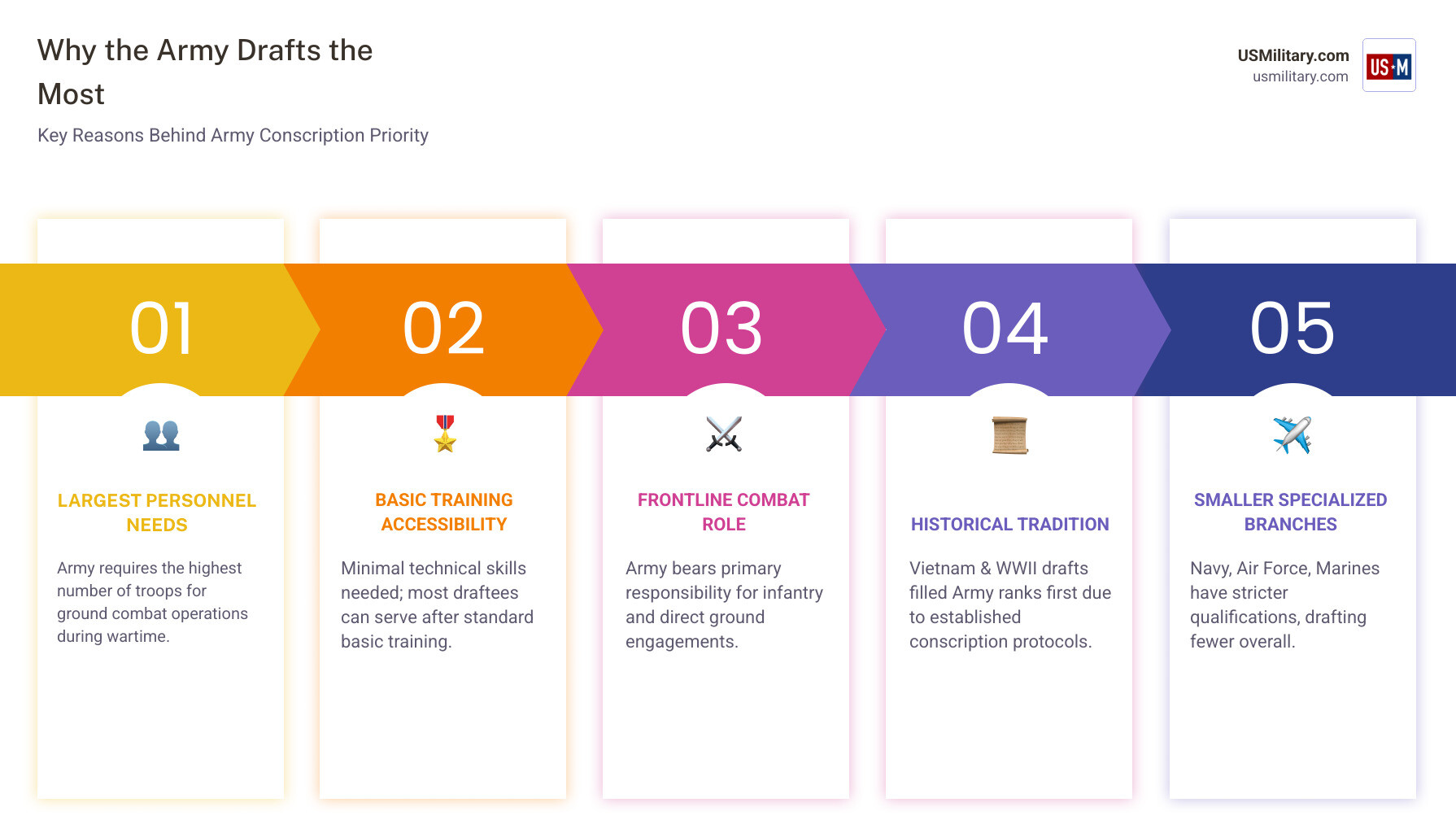
Why does the Army draft the most comes down to one simple reality: the Army is the largest branch of the U.S. military and requires the most ground combat personnel. No other branch comes close to its manpower needs during wartime.
Here is a quick breakdown:
- Size: The Army is the largest U.S. military branch and needs the most personnel to fill its ranks
- Combat role: Ground warfare requires far more troops than air or naval operations
- Specialization: The Navy and Air Force rely heavily on volunteers with technical skills, making draftees less suitable for their needs
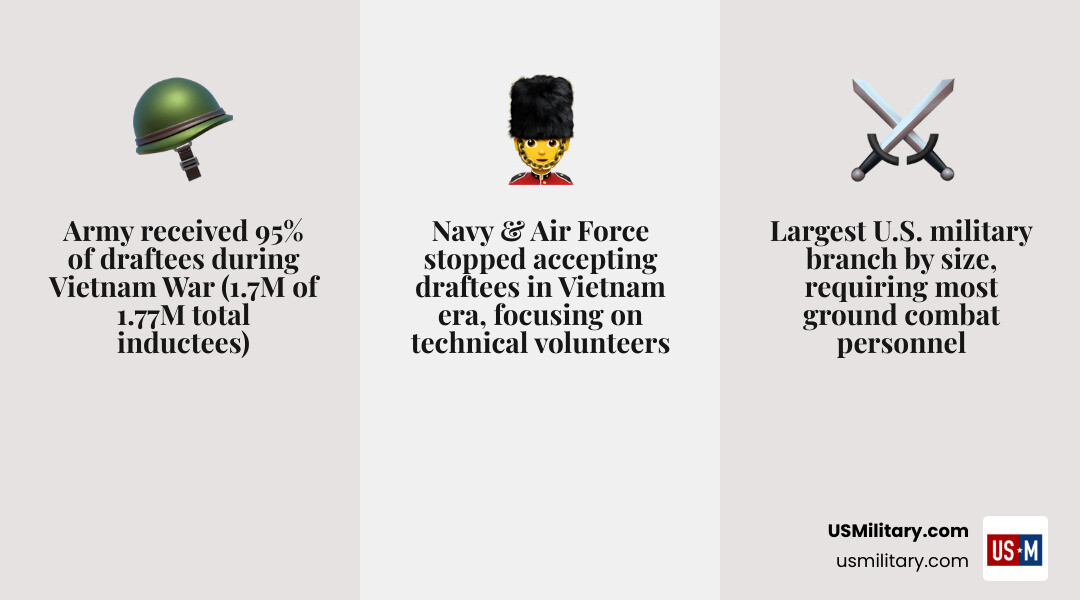
- Historical pattern: During the Vietnam War era, the Army received nearly 95% of all draftees — roughly 1.7 million of the 1,766,910 men inducted
- Branch limits: The Navy and Air Force stopped accepting draftees entirely during the Vietnam era, leaving the Army and Marine Corps as the primary recipients
This pattern has held true across every major U.S. conflict — from World War I and World War II to Korea and Vietnam.
The U.S. has not drafted anyone since 1973, when the military shifted to an all-volunteer force. But the Selective Service System remains active, and as of April 2026, all male U.S. citizens and immigrants ages 18–25 are still required to register.
I’m Larry Fowler, publisher of USArmy.com and USMilitary.com, and since 2007 I’ve helped millions of active-duty members, veterans, and military-curious Americans navigate topics like why does the Army draft the most and what it means for their service decisions. Let’s dig into the full history and reasoning behind the Army’s dominant role in U.S. conscription.
Basic Why Does The Army Draft The Most terms:
- Which Branch of the Military Will Draft The Most
- Who gets pulled first in a draft?
- How The Military Draft Works
Historical Precedent: The Army’s Role in U.S. Conscription
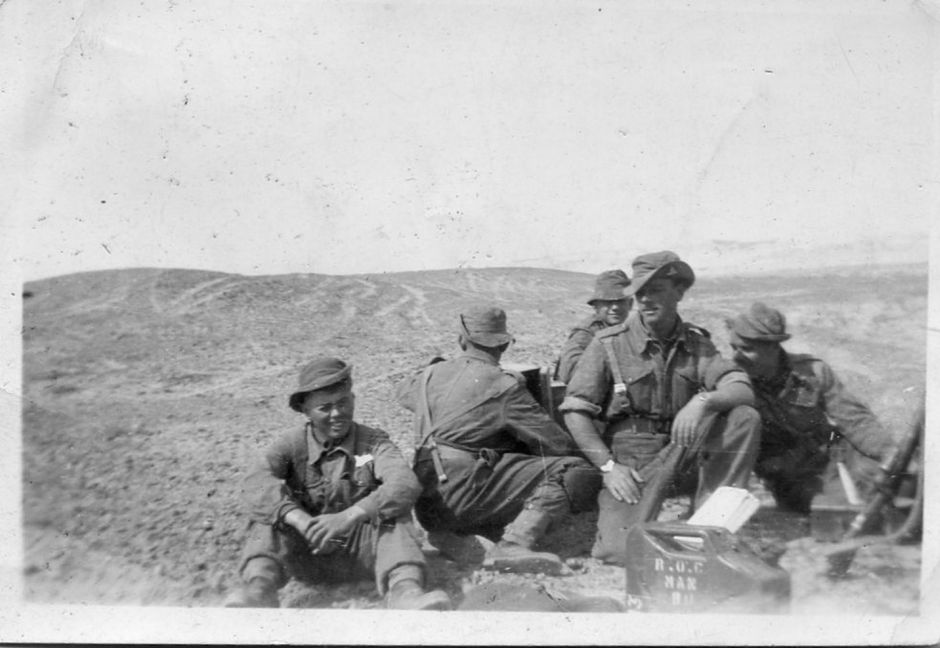
To understand Why Does The Army Draft The Most, we have to look at the history of Conscription in the United States. Since the Revolutionary War, the Army has been the primary destination for draftees because it serves as the nation’s “big hammer” for ground operations.
During World War I, nearly 3 million men were inducted, with the vast majority heading into the Army to fill the trenches of Europe. World War II saw an even larger scale; between 1940 and 1946, 10 million men were inducted. Interestingly, the Navy and Marine Corps didn’t even start taking draftees through the Selective Service System until early 1943. Before that, they were 100% volunteer-based.
The reliance on the draft was driven by the sheer scale of global conflict. When you are fighting on multiple continents, you need “boots on the ground.” The Army provides those boots. However, this high concentration of draftees in ground combat roles often led to the Army being the military branch highest percentage deaths in various conflicts, as infantry roles carry the highest risks.
The Vietnam Era and the 95% Statistic
The Vietnam War (August 1964 – February 1973) provides the most striking evidence of the Army’s draft dominance. During this era, the military relied heavily on “draft-induced volunteerism”—where men joined the Navy or Air Force to avoid being drafted into the Army’s infantry.
According to History and Records : Selective Service System, out of the 1,766,910 men drafted during the Vietnam era, nearly all went into the Army. To put that in perspective:
- Army: Received nearly 95% of all inductees.
- Marine Corps: Received fewer than 42,700 draftees.
- Navy and Air Force: Did not accept draftees during this period.
This created a massive cultural divide. While the Navy and Air Force could be “picky” with their applicants, the Army was tasked with the bulk of the combat mission, requiring a constant stream of new personnel provided by local draft boards.
Why Does The Army Draft The Most?
If a U S Military Draft were to be reinstated today in 2026, the Army would almost certainly still take the lion’s share. But why? It isn’t just tradition; it’s about the fundamental nature of warfare.
The primary reason Why Does The Army Draft The Most is the “Mass Force” requirement. While the Air Force operates planes and the Navy operates ships, the Army operates territory. Occupying, defending, and moving across land requires a massive number of human beings. Even with modern technology like drones and cyber warfare, you still need soldiers to hold the line.
We often discuss Why A Military Draft Could Become Necessary In World War, and the answer is usually “attrition.” In a large-scale conflict, the Army faces the highest rate of turnover due to the physical demands and dangers of ground combat.
Manpower Needs: Why Does The Army Draft The Most Personnel?
The Army is structured around the Infantry. A single division can require over 15,000 soldiers. When you multiply that across a global theater, the numbers become staggering. Unlike the Space Force or the Air Force, which are relatively small and highly specialized, the Army is built for scale.
When looking at a Detailed Guide To Military Draft Status, you’ll notice that the Army’s training pipeline is designed to process large groups of people quickly. It is much easier to train 1,000 infantrymen in a few months than it is to train 1,000 fighter pilots or nuclear submarine technicians. This logistical reality makes the Army the most “draft-friendly” branch.
Combat Roles: Why Does The Army Draft The Most for Ground Operations?
Ground operations are the most labor-intensive part of any war. Soldiers on the front lines need support—mechanics, cooks, supply clerks, and medics—all of whom must be on the ground with them. This creates a “tooth-to-tail” ratio that demands thousands of people for every combat squad.
There is also the question of quality and expectations. Some wonder, Will The Quality Along With Expectations Rise Of An Army Soldier During A Military Draft? Historically, the Army has had to balance the need for high numbers with the need for effective soldiers. Because the Army takes the most people, it often has the broadest range of MOS (Military Occupational Specialty) options, allowing it to absorb draftees with various skill levels.
Branch Disparities and Technical Requirements
There is a significant gap between the branches when it comes to how they view conscription. The Navy and Air Force have historically been resistant to the draft because their equipment is so expensive and technical.
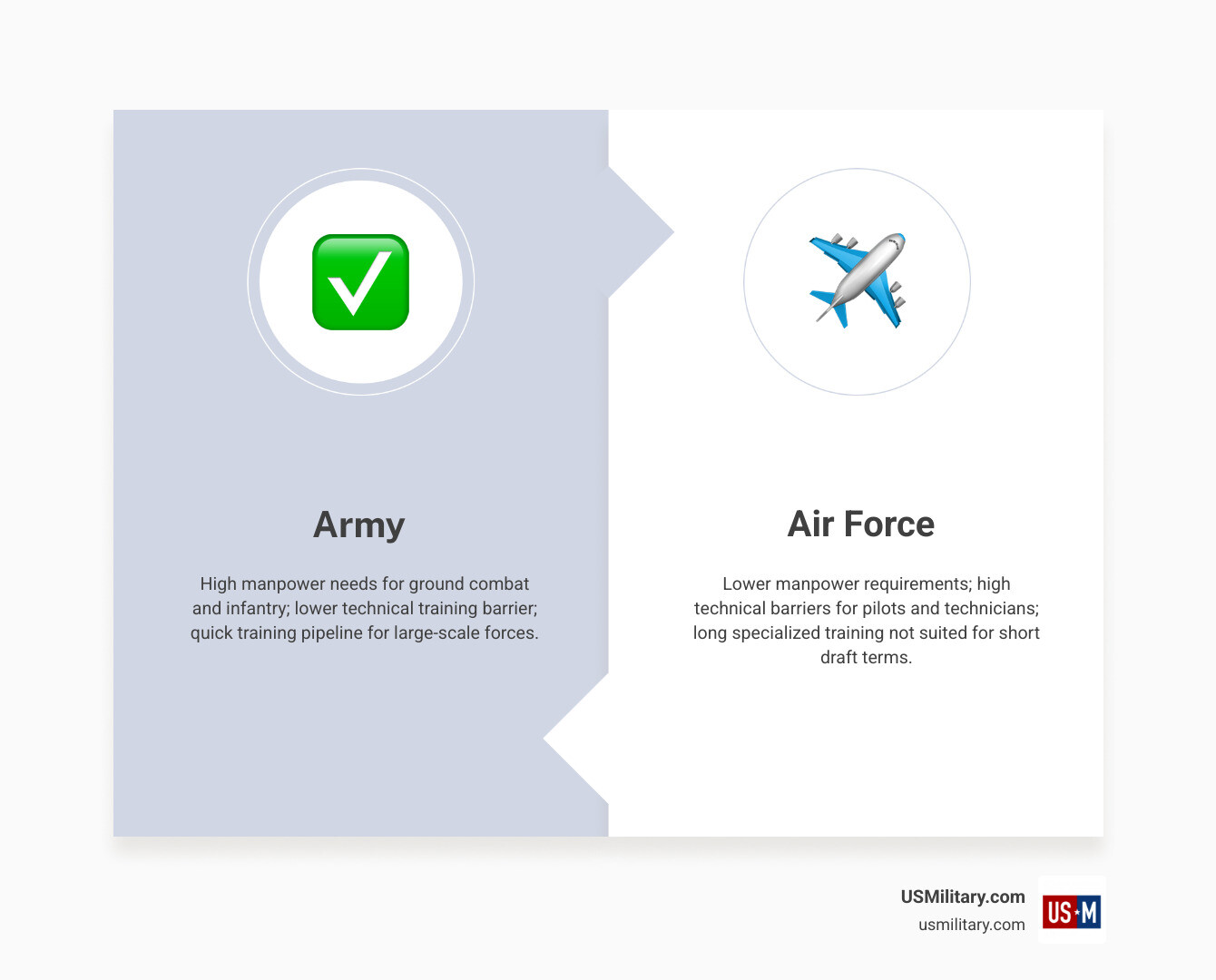
As noted in discussions on Why does the USA still have a draft? – Quora, many veterans point out that a Military Draft can actually be a burden for technical branches. If you draft someone for two years, but it takes 18 months to train them to fix a jet engine, you only get six months of actual work out of them. The Army, however, can train a rifleman in much less time, making the two-year draft commitment much more “profitable” in terms of service time.
Volunteerism and Specialized Training
According to a Fordham Law Review analysis, the Navy and Air Force often meet their recruitment goals through volunteers who are looking for specific technical training that translates well to civilian careers. Because these branches have a high “propensity to enlist,” they rarely need the Selective Service to fill their ranks.
The Army, while also offering great technical careers, simply has so many slots to fill that it cannot always rely on volunteers alone during a major national emergency. This is the core of Why Does The Army Draft The Most.
Frequently Asked Questions about the Army Draft
Who is eligible for the draft in 2026?
As of April 2026, the law remains that almost all male U.S. citizens and male immigrants living in the U.S., ages 18 through 25, are required to register with Selective Service. You can find more details on Who Is Eligible For The Us Draft and specific rules regarding The Draft Age Who Is Eligible For Military Conscription. While there have been debates about including women, as of now, the requirement only applies to “male persons” as defined by current federal law.
What are the disqualifying factors?
Not everyone who is drafted will actually serve. There are 5 Common Ways To Know If Youll Be Disqualified From A Military Draft, including:
- Medical Issues: Chronic health conditions or physical limitations.
- Mental Health: Certain psychological conditions that make service unsafe.
- Criminal Record: Felony convictions can often disqualify a candidate.
- Dependency Hardship: If you are the sole provider for dependents who cannot survive without you.
- Conscientious Objection: Moral or religious opposition to war (though you may still be required to serve in a non-combat role).
Currently, only about 23% of Americans aged 17-24 meet the basic eligibility standards for military service without a waiver, often due to obesity, drug use, or lack of a high school diploma.
How does the lottery system work?
If a draft were called, the Selective Service would use a lottery based on birthdays. According to The Complete Guide To Who Gets Pulled First In A Draft, the first group to be called would be those turning 20 in the calendar year of the draft. After that, they would move to 21, 22, 23, 24, and 25, followed finally by 18 and 19-year-olds. This “20-first” rule is designed to pull from the prime age group while allowing younger men to finish high school.
Conclusion
At USMilitary.com, we believe that understanding the mechanics of our military is vital for every citizen. The question of Why Does The Army Draft The Most isn’t just a historical curiosity—it’s a reflection of how our nation prepares for its most significant challenges.
Since 1973, the All-Volunteer Force has proven to be the most professional and lethal military in human history. However, the Selective Service remains the “insurance policy” for the United States. Whether you are looking to join the Army as a volunteer or just want to understand What is the US Military Draft, we are here to provide the facts.
The Army drafts the most because it carries the heaviest burden of ground defense. It is the branch that requires the most people, the most quickly, to ensure the nation’s security. While we hope a draft never becomes necessary again, staying informed is the best way to be prepared for whatever the future holds.