
Why Faith Is Important For All Army Soldiers — And Why It Matters for Your Service

Why faith is important for all Army Soldiers comes down to one simple truth: a Soldier who knows why they fight is harder to break than one who doesn’t.
Here is a quick summary:
- Resilience — Faith gives Soldiers a source of strength to draw on during combat, deployments, and hardship
- Purpose — Knowing your “why” drives performance and prevents burnout (the Army’s own motto: Purpose Leads, Strength Follows)
- Mental and emotional health — Peer-reviewed research shows spiritual health positively influences physical and mental well-being
- Unit cohesion — Shared values and spiritual community build trust and accountability within teams
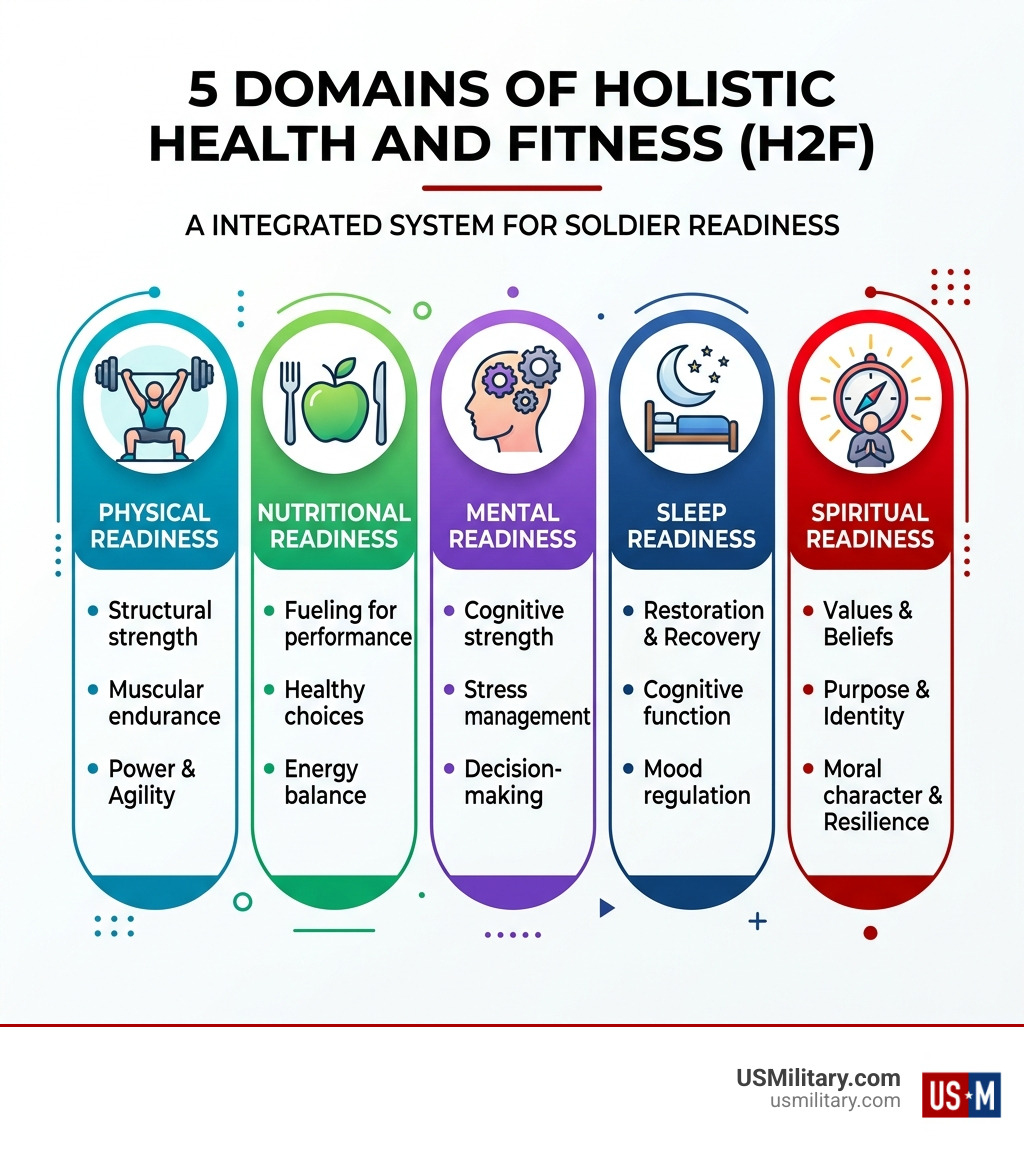
- Army doctrine — Spiritual readiness is an official domain of the Army’s Holistic Health and Fitness (H2F) program under FM 7-22
About 73% of active-duty service members identify as people of faith — and over 90% of veterans do too. That’s not a coincidence. The Army has recognized spiritual fitness as a pillar of total readiness for good reason.
I’m Larry Fowler, author of Dare To Live Greatly and publisher of USArmy.com & USMilitary.com and a longtime resource for active-duty troops and veterans navigating everything from career decisions to VA benefits — including understanding why faith is important for all Army Soldiers and how it connects to mission readiness. Over the years I’ve seen how Soldiers who are spiritually grounded perform better, lead better, and recover faster from the toughest experiences service can throw at them.
Why Faith Is Important For All Army Soldiers terms at a glance:
- How Important is Christian Faith In The US Military Today
- Top 15 Faith Based Books Authored By Military Elite Special Force Operators including Dare To Live Greatlhy by Larry Fowler
- Top 20 faith books for military men and women including dare to live greatly by L.C. Fowler
1. Spiritual Fitness is a Core Pillar of Holistic Health and Fitness (H2F)
In the modern Army of April 2026, we no longer view fitness as just how many push-ups you can do or how fast you can run two miles. Under the Holistic Health and Fitness (H2F) system, the Army officially recognizes five domains of readiness: physical, nutritional, mental, sleep, and spiritual.

According to FM 7-22, the Army’s manual on H2F, spiritual readiness is “the ability to endure and overcome times of stress, hardship, and tragedy by making meaning of life experiences.” This isn’t just “chaplain talk”—it is a doctrinal requirement for a lethal force. When we discuss Fitness includes a spiritual component, we are acknowledging that the “will to fight” comes from a place deeper than muscle fiber.
Many recruits ask, “Can Christians Join The Military?” or wonder if their faith will be sidelined. The reality is the opposite: the Army actively encourages spiritual development because a spiritually fit Soldier is a more resilient Soldier.
How Spiritual Readiness Answers Why Faith Is Important For All Army Soldiers
The U.S. Army Spiritual Fitness Guide 2025 highlights that spiritual readiness develops the personal qualities we need in times of tragedy. These qualities—character, disposition, and integrity—form the basis for how we make decisions under fire. If you don’t have a firm foundation of what you believe and why, high-stress environments will quickly expose those gaps. Faith provides a “Source of Strength” that acts as an anchor when the world around you is in chaos.
The Interdependence of Mind, Body, and Spirit
You can’t separate the spirit from the body. If a Soldier is struggling spiritually, it often manifests as poor sleep, mental fog, or lack of motivation. Conversely, when a Soldier is spiritually grounded, they often report better sleep readiness and higher cognitive performance.
In the Army, we often say God Is Greater Than The Highs And Lows. This perspective helps Soldiers maintain a steady hand through the “lows” of a difficult deployment and the “highs” of a promotion, ensuring that their identity isn’t tied solely to their rank or their current circumstances.
2. Faith Provides Unbreakable Resilience During Combat and Deployments
Combat is the ultimate stress test. It demands everything from a human being. This is where the concept of “Purpose Leads, Strength Follows” becomes a literal lifesaver. When Soldiers have a faith-based purpose, they have a reason to endure the unendurable.

Building Army spiritual readiness is about more than just Sunday services; it’s about creating emotional stability. Whether it’s through prayer, meditation, or reading a Christian Navy Seal Book for inspiration, these practices provide a mental “safe harbor.”
Overcoming Hardship Through a Source of Strength
During long deployments, Soldiers face isolation and the constant threat of danger. Faith helps in “meaning-making”—the ability to process trauma and find a path forward. Many Soldiers find that reading Inspirational Christian Books helps them maintain their personal identity, reminding them that they are more than just their MOS (Military Occupational Specialty). This sense of self prevents the “moral injury” that can occur when the horrors of war clash with a person’s inner values.
Lessons from Military History and Personal Stories
History is full of examples showing why faith is important for all Army Soldiers. General George C. Marshall once said that the Soldier’s heart and spirit are everything, and without spiritual sustenance, a Soldier will fail.
Consider the resilience of POWs like Admiral Jeremiah Denton during the Vietnam War. Denton and his fellow prisoners used secret faith-based gatherings and shared stories to maintain their will to survive years of torture. In more recent history, during the Second Battle of Fallujah, Soldiers like David Bellavia drew on their deep-seated beliefs to find the courage to protect their comrades. For those looking for more modern examples, exploring the Best Books For Chrisitan Men often reveals how today’s elite operators rely on faith to navigate the world’s most dangerous places.
3. Why Faith Is Important For All Army Soldiers: A Foundation for Readiness
Faith isn’t just a private matter; it’s a force multiplier for the entire unit. When a diverse group of Soldiers shares a commitment to something greater than themselves, it creates a unique bond.
Research on How Faith Influences Military Service shows that Soldiers who identify with a faith group often exhibit higher levels of the 7 Army Values, particularly selfless service and integrity.
Statistics Proving Why Faith Is Important For All Army Soldiers
The numbers speak for themselves. Approximately 73% of active-duty service members identify as people of faith. Among veterans, that number jumps to over 90%. Why? Because the challenges of military life often drive individuals to seek deeper answers.
- 73% of active military identify as people of faith.
- Over 90% of veterans identify as religious.
- The U.S. military recognizes 221 different faith groups, ensuring that almost every Soldier can find a community that fits their worldview.
- 85% of military members have a positive perception of faithful Christians they know in the service.
Many Soldiers turn to Christian Books For Men to help them navigate a culture they perceive as having declining morals, finding in faith a steady compass for their daily lives.
Fostering Community and Accountability in the Ranks
Faith fosters a sense of community that is vital for unit cohesion. When you are part of a chapel group or a small faith-based study, you have a built-in support system. This community provides accountability, ensuring that Soldiers live up to the Nco Creed Army and maintain the high standards expected of them. It’s about “worldview refinement”—helping each other see the world through a lens of service and sacrifice rather than selfishness.
4. Army Regulations and Doctrine Protect Your Right to Believe
The Army doesn’t just tolerate faith; it protects it. From the First Amendment of the U.S. Constitution to specific regulations like AR 600-20 (Army Command Policy) and AR 165-1 (Army Chaplain Corps Activities), the right to practice your religion is a protected “Sign of Strength.”
For more details on these protections, you can read The Free Exercise of Religion and Spirituality in the Army. These regulations ensure that commanders must accommodate religious practices unless they significantly interfere with military necessity.
The Role of the Unit Ministry Team (UMT)
Every battalion has a Unit Ministry Team consisting of a Chaplain and a Religious Affairs Specialist. Their job is to provide spiritual support for all Soldiers. One of the most critical aspects of their role is 100% confidentiality. You can talk to a Chaplain about anything—your doubts, your fears, your mistakes—and it stays between you and them.
If you are interested in this path, there are many Religious Chaplain Careers In The Military that allow you to serve both God and Country.
Inclusivity for All Faiths and Philosophical Beliefs
The Army’s definition of spiritual fitness is intentionally broad. While many Soldiers are Christian, the Army recognizes 221 faith groups, including Jewish, Muslim, Buddhist, Hindu, and even humanist subgroups. The goal is to ensure every Soldier has a “Connection” to something that gives them meaning. Whether it is through traditional worship or a secular “ethical imagination,” the Army wants you to have the spiritual sustenance needed to win the nation’s wars.
5. Practical Steps to Cultivate Spiritual Strength in Daily Army Life
Building spiritual fitness is like building physical fitness: it requires consistency, simplicity, and flexibility. You don’t need to spend hours in a chapel every day to grow.
As noted in the article Living Your Faith in the Army, the first step is simply reflecting on what you believe and why.
Identifying Your Personal Source of Strength
To start, ask yourself: Who am I beyond my rank? What gives my life meaning when things go wrong?
- Self-reflection: Spend five minutes a day in quiet thought.
- Community: Join a unit Bible study or a local religious group.
- Prayer/Meditation: Use these as “recharge” moments during a busy duty day.
- Journaling: Write down your “why” for joining the Army and refer back to it when training gets tough.
Integrating Faith into Professional Development
True leadership is often described as “love manifested as sacrifice.” When you view your Soldiers not just as numbers on a slide, but as people you are called to serve, your leadership changes. This integration of integrity and character building is what makes an officer or NCO truly “great.”
| Practice Category | Religious Examples | Non-Religious/Philosophical Examples |
|---|---|---|
| Daily Routine | Morning Prayer / Scripture Reading | Meditation / Journaling on Values |
| Community | Chapel Services / Small Groups | Volunteer Work / Unit Mentorship |
| Study | Theology Books / Bible Study | Philosophy / Ethics Literature |
| Reflection | Confession / Repentance | Stoic Reflection / Self-Correction |
Frequently Asked Questions about Why Faith Is Important For All Army Soldiers
What is the definition of spiritual fitness in the Army?
The Army defines spiritual fitness (or readiness) as the development of personal qualities needed to sustain a person through stress, hardship, and tragedy. These qualities come from religious, philosophical, or human values and form the basis for character and decision-making.
How do Chaplains support Soldiers who are not religious?
Chaplains are trained to support the “free exercise” of religion for all, which includes the right to have no religion. They provide counseling, ethics training, and morale support for all Soldiers regardless of their beliefs. They focus on “human values” and “connection” for those who do not identify with a specific faith.
Can a Soldier be disciplined for practicing their faith?
No. In fact, Army regulations like AR 600-20 protect a Soldier’s right to practice their faith. While there are limits based on “military necessity” (you can’t stop a live-fire exercise to pray), commanders are required to provide reasonable accommodations for religious practices, including dress and appearance (like beards or turbans) and dietary needs.
Conclusion
At USMilitary.com, we believe that a Soldier’s greatest weapon isn’t their rifle—it’s their spirit. As we look at the Army in April 2026, the integration of spiritual readiness into the H2F framework has proven that faith is a vital component of mission success. Whether you are a new recruit or a seasoned veteran, taking the time to cultivate your spiritual fitness will make you a better Soldier and a more resilient human being.
Why Faith Is Important For All Army Soldiers is a question with a clear answer: it provides the purpose that leads to strength. Don’t leave your spirit on the sidelines. Explore more military resources and benefits at USMilitary.com to help you stay mission-ready in every domain of your life.