
Historic $252.8 Billion Budget: Why The Army Is The Best Military Branch To Join In 2027
#
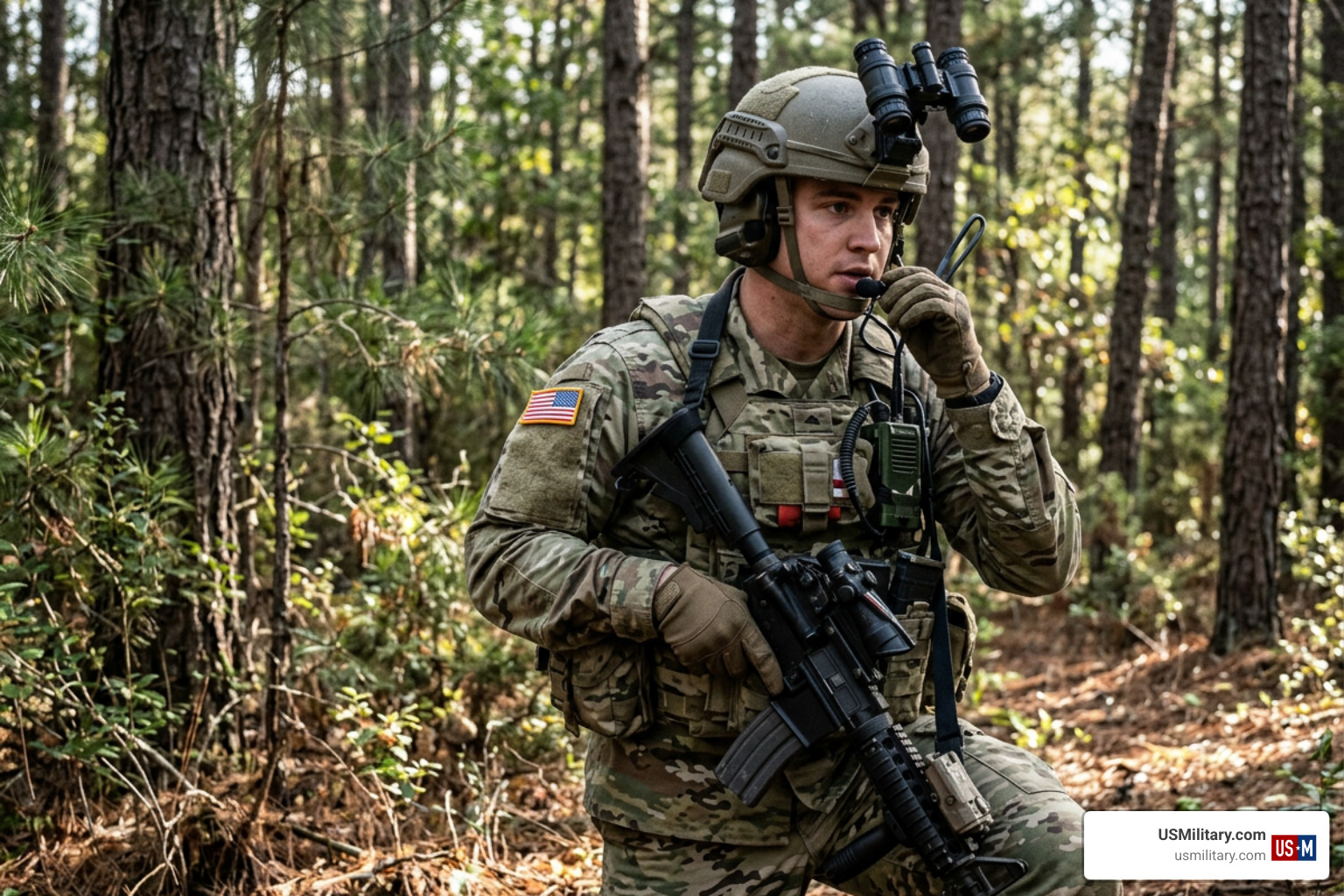
Why the Army is the Best Military Branch to join in 2027 comes down to choice, technology, and opportunity. The Army is expanding its force, funding new equipment, and building more paths into cyber, drones, intelligence, medicine, aviation, and leadership than any other branch.
Here is the quick answer:
- More career options: The Army has more than 200 enlisted jobs, from infantry and aviation to healthcare and cybersecurity.
- A major modernization push: Its proposed FY 2027 budget of about $252.8 billion supports new vehicles, drones, air defense, munitions, training, and installation improvements.
- Clear advancement paths: Soldiers can move into leadership as NCOs, become technical Warrant Officers, or pursue a commission through programs such as Green to Gold.
- Practical benefits: Available incentives can include job-dependent enlistment bonuses, student-loan repayment options, education benefits, and reenlistment choices.
- A better fit for many recruits: At age 32, qualified applicants may still be eligible to enlist, and the Army offers broad job flexibility compared with branches that have fewer openings or narrower specialties.
The Army is not automatically the best choice for everyone. The Air Force may appeal more to someone focused on base lifestyle, while the Navy may suit people who want maritime work and coastal assignments. But for recruits who want the widest range of jobs, hands-on leadership early in a career, and a role in the fast-changing world of drone, cyber, and electronic warfare, the Army has a strong case in 2027.
I am Larry Fowler, publisher of the USArmy.com & USMilitary.com Network since 2007, where I have helped connect military-minded Americans with clear information on service choices, benefits, and veteran resources. In this guide to Why The Army Is The Best Military Branch To Join In 2027, I will help you compare the real opportunities, tradeoffs, and questions to ask before you sign a contract.

Learn more about Why The Army Is The Best Military Branch To Join In 2027:
When deciding which service to join, funding matters. Strategic priorities follow the budget, and a well-funded branch provides better equipment, faster training pipelines, and modernized living conditions.
For Fiscal Year 2027, the Department of the Army requested approximately $252.8 billion, representing a massive expansion of nearly 24% relative to FY 2026 enacted levels. This expansion combines roughly $215 billion in discretionary funding alongside $37.7 billion in proposed mandatory funding via legislative reconciliation.
This level of funding translates into tangible benefits for every soldier stepping onto an Army post in 2027. Discretionary procurement accounts jump by roughly 28.7%, channeling resources straight to unit-level gear, combat vehicles, and communications suites. Research, Development, Test & Evaluation (RDT&E) funding climbs 12.9% to nearly $19 billion, including $2.9 billion dedicated to Science & Technology.
Meanwhile, Operations and Maintenance (O&M) funds increase by 9.6%, keeping vehicles fueled, ranges operational, and training realistic. For an in-depth policy overview of these financial shifts, read the analysis on the US Army FY 2027 Budget Request – Key Trends, Risks, and Implications | Insights | Greenberg Traurig LLP.
Exploring the overarching Benefits of Joining the US Army shows how macro-level defense spending directly elevates everyday life for active duty and reserve personnel.
Increased Pay, Housing Upgrades, and Expanded End Strength
Unlike strategic frameworks of previous years that kept troop numbers flat, the FY 2027 push expands human capacity in step with technological modernization. The Army proposes an end strength increase of approximately 18,300 soldiers across active and reserve components.
To attract and retain this force, the budget includes a projected service member pay raise between 5% and 7%.

Beyond pay, quality-of-life funding is receiving urgent focus. The Army is channeling significant funds toward barracks modernization, family housing upgrades, and installation resilience.
Here is how key budget areas compare between FY2026 and FY2027:
| Budget Category | FY 2026 Enacted | FY 2027 Request | Strategic Impact for 2027 Recruits |
|---|---|---|---|
| Total Topline Budget | ~$204 Billion | ~$252.8 Billion | ~24% growth driving force modernization and pay raises |
| End Strength Increase | Flat baseline | +18,300 Soldiers | Expanded career slots, easier promotion progression |
| Service Member Pay | Standard baseline | 5% to 7% Pay Increase | Higher monthly basic pay across all enlisted ranks |
| Procurement Funding | Standard baseline | +28.7% Increase | Next-gen rifles, night vision, and combat vehicles in units |
| RDT&E & Science/Tech | ~$16.8 Billion | ~$19 Billion ($2.9B S&T) | Cutting-edge drone and cyber systems fielded rapidly |
| Munitions Expansion | Baseline production | $7.3 Billion | Accelerated Patriot, THAAD, and artillery supply chains |
High-Tech MOS Tracks and Modern Tactical Roles
The modern Army is far more than traditional land warfare. With over 200 Military Occupational Specialties (MOS), the Army maintains the most diverse job inventory in the United States armed forces.
Recruits can enter fields spanning medicine, intelligence, aviation, logistics, mechanical engineering, and signal support. Reviewing the Best Jobs in the Army helps narrow down choices based on individual test scores and career aspirations.
Drone Warfare, Cyber, and Electronic Warfare Specializations
Modern multi-domain warfare places uncrewed systems, electronic warfare, and cyber defense at the tactical edge. Rather than treating drone operations or network security as high-level staff functions, the Army embeds technical specialists directly into frontline squads and platoons.
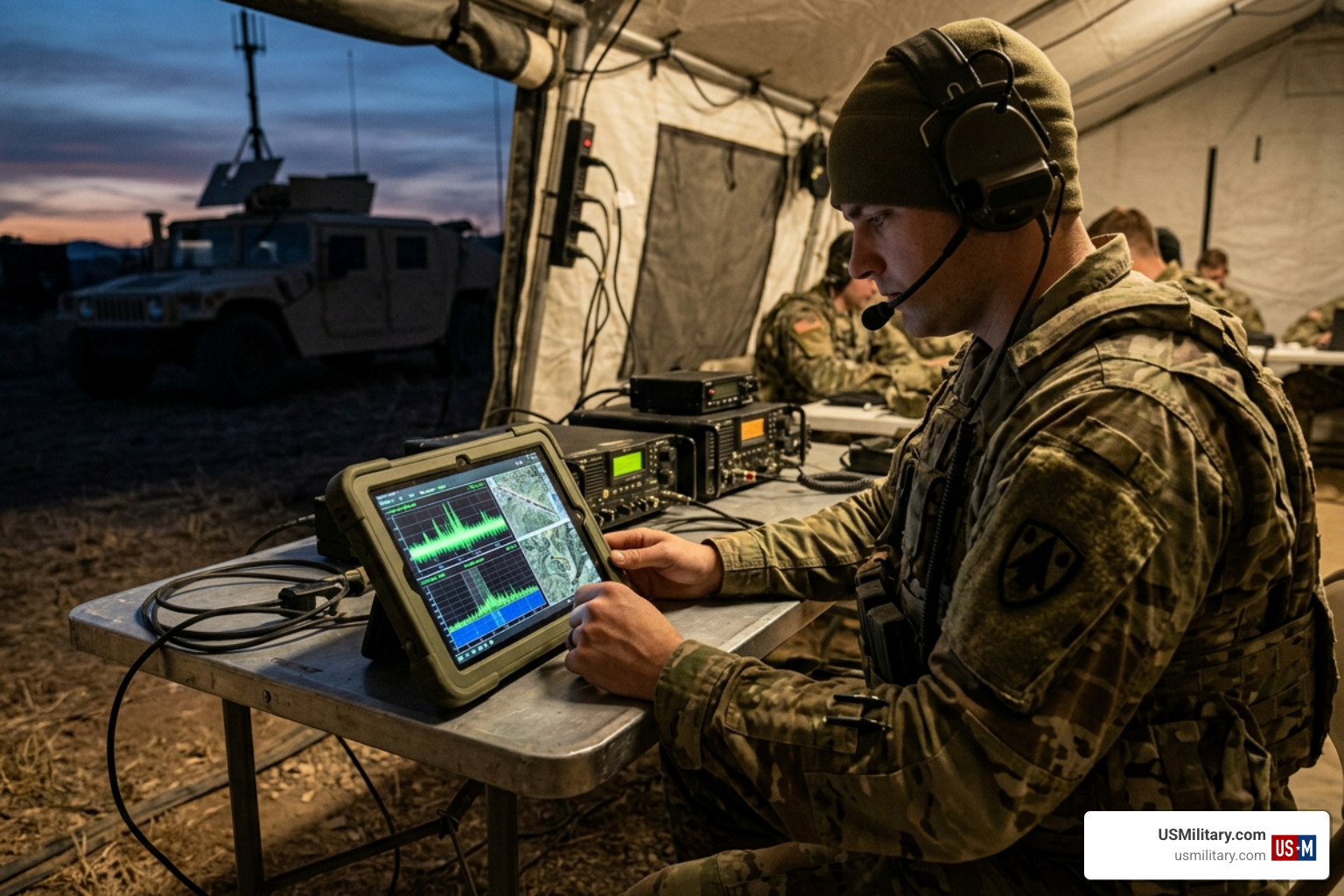
Several high-demand technical fields stand out on the Army’s Priority MOS list:
- 15X Tactical Unmanned Aircraft System Specialist: Responsible for operating, maintaining, and integrating aerial reconnaissance and strike drones across tactical units.
- 17E Electronic Warfare Specialist: Focuses on detecting, jamming, and disrupting enemy communications, radar signals, and drone control links while defending friendly command networks.
- 35-Series Cyber & Intelligence Specialists: Collects, analyzes, and safeguards critical digital data, ensuring command posts maintain situational awareness during high-intensity operations.
These roles provide technical training that carries immense value in the civilian job market. As autonomous systems and digital networks expand, soldiers holding these ratings gain immediate experience that top defense contractors, tech firms, and commercial drone industries actively seek.
Is Army Infantry Dangerous in 2027? Next-Gen Platforms and Robotics
A frequent question prospective recruits ask is whether serving in the infantry is as dangerous today given the rise of loitering munitions, loitering drone swarms, and high-tech battlefields. Online forums often debate these concerns, such as discussions on What are the reasons for joining the US Army over other ….
The reality is that while combat arms inherently carry risk, the Army is aggressively using technology to protect ground forces. Under the Army Transformation Initiative, high-risk tasks like deliberate obstacle breaching, minefield clearing, and initial reconnaissance are increasingly assigned to autonomous ground and aerial systems rather than exposed soldiers.
Key technological upgrades protecting modern 11B Infantrymen include:
- XM30 Mechanized Infantry Combat Vehicle: Designed to replace the Bradley, featuring integrated active protection systems to shoot down incoming anti-tank missiles and loitering drones.
- M1E3 Abrams Hybrid-Electric Tank: Provides lighter weight, superior maneuverability, reduced acoustic and thermal signatures, and advanced counter-drone capabilities.
- MV-75 Long-Range Assault Aircraft: Enhances speed and range to move troops rapidly outside enemy engagement zones.
- Tactical Micro-Drones: Gives disaggregated infantry fire teams real-time overwatch around building corners and over ridgelines before stepping into potential kill zones.
Landpower remains indispensable because technology alone cannot hold ground or enforce national will. However, modern Army infantrymen operate as tech-enabled system managers, supported by organic sensors and autonomous platforms that minimize unnecessary exposure.
Career Benefits, Educational Pathways, and Bonus Incentives
Joining the Army in 2027 offers exceptional educational funding, dynamic career progression, and competitive enlistment packages. Understanding How to Join the Army is the first step toward taking advantage of these programs.
For enlisted soldiers aiming to become commissioned officers, the Green to Gold Program offers four distinct pathways to earn a college degree while serving on active duty. Soldiers who prefer single-specialty technical mastery can apply for Warrant Officer Candidate School (WOCS) after just two years of service, advancing into high-paying technical roles like aviation pilot or cybersecurity architect.
Enlistment Programs for Older Recruits and Buddy Teams
The Army remains one of the most accessible military branches for individuals embarking on a second career. With an enlistment age limit extending up to 32 years old for regular enlistment, older recruits bring real-world maturity and life experience that the Army highly values.
For younger applicants or groups of friends wanting to serve together, the Buddy Team Enlistment Option allows up to five friends to enlist on the same day, complete Basic Combat Training and Advanced Individual Training together, and serve at their initial duty station side-by-side.
Key incentives and retention programs available for 2027 include:
- Selective Retention Bonuses (SRB): Generous financial incentives tied directly to critical MOS shortages and performance tiers.
- Quality Tiered Incentive (QTI) Program: A merit-based program where commanders score soldiers on physical fitness, technical skill, and leadership. High-performing soldiers in Quality Tier 1 unlock top-step monetary bonuses.
- Current Station Stabilization: Allows reenlisting soldiers to lock in 1 to 30 months of assignment stability at their current post.
- Student Loan Repayment Program (LRP): Qualifies select MOS contracts to pay down existing college loans.
Why The Army Is The Best Military Branch To Join In 2027 for Leadership Development
The modern battlefield demands small-unit decision-making. High-intensity operations require brigade, division, and corps command posts to shrink dramatically to avoid enemy strike networks. As a result, authority shifts downward to squad leaders, team leaders, and junior Non-Commissioned Officers (NCOs).
The Army’s emphasis on decentralized command trains 20-year-old Sergeants and 22-year-old Lieutenants to make independent, high-stakes decisions under complete communications blackouts. This level of responsibility instills project management skills, team management capabilities, and operational agility that corporate hiring managers actively seek when veterans transition into the civilian workforce.
Army vs. Other Branches: Lifestyle, Base Locations, and Job Flexibility
Selecting the right military branch requires weighing lifestyle preferences, duty stations, and job guarantees. When comparing options, check our guide on Which Branch of the Military Should I Join? to balance personal goals against operational realities. For broader economic context on how military contracting drives base investments across the nation, consult the US Army FY 2027 Budget Request – Key Trends, Risks, And Implications – Government Contracts, Procurement & PPP – United States.
Why The Army Is The Best Military Branch To Join In 2027 Compared to the Air Force and Navy
While every service branch brings distinct strengths to defense, the Army holds clear advantages in job selection, global footprint, and contract predictability. For a detailed branch-on-branch breakdown, read our analysis on Should You Join the Army or the Air Force?.
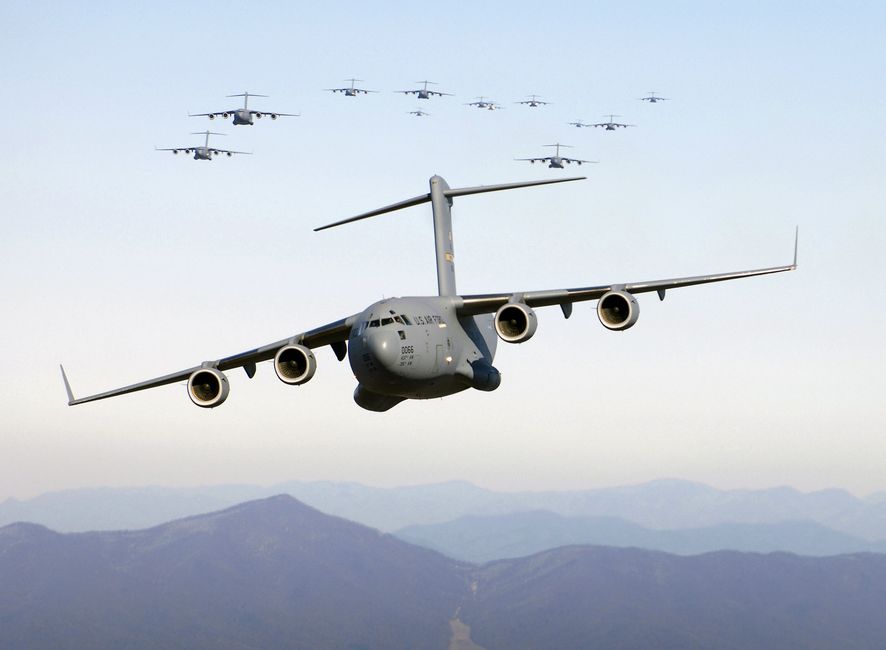
Here is how the Army compares to the Air Force and Navy across key lifestyle metrics:
- Guaranteed Job Contracts: In the Army, qualified applicants select and lock in their exact MOS before signing an enlistment contract. In contrast, other branches often enlist applicants under general aptitude indexes, assigning specific jobs late in the training pipeline based on service needs.
- Geographic Diversity: Navy personnel are predominantly stationed near coastal deep-water ports, spending extended months deployed aboard ships. Air Force posts are frequently located in specific flying wing hubs. The Army maintains large, self-contained installations across the continental United States, Europe, and the Indo-Pacific, offering diverse living environments for soldiers and military families.
- Promotion Velocity: Due to its sheer force size (adding 18,300 soldiers in FY2027 alone), the Army maintains consistent promotion throughput. Objective point systems allow motivated soldiers to control their promotion pacing through physical fitness, military education, and weapons marksmanship.
Frequently Asked Questions about Joining the Army in 2027
What is the age limit and enlistment pathway for a 32-year-old recruit in 2027?
The general age limit for active-duty Army enlistment is 17 to 32 years old. A 32-year-old recruit who meets physical fitness, medical, and ASVAB requirements follows the standard enlistment pipeline. Older recruits often excel due to past employment experience and can qualify for accelerated promotion to Specialist (E-4) if they hold a college degree or earned prior civilian credits. Start your application journey by visiting Join the US Army.
How does the FY 2027 budget directly improve soldier quality of life?
The FY 2027 budget proposal targets quality of life through three main avenues:
- A projected 5% to 7% military basic pay raise.
- Direct funding for barracks construction, structural renovations, and mold-mitigation initiatives across major installations.
- Expanded investments in family housing, childcare services, and installation resilience projects.
Are combat roles safer now with modern drone technology?
While ground combat always carries risk, modern technology drastically reduces unnecessary human exposure. Squad-level tactical drones conduct dangerous room and trench reconnaissance before soldiers enter. Robotic vehicles and autonomous systems handle hazardous obstacle breaches, and counter-drone air defense systems protect ground elements from aerial threats.
Conclusion
Choosing your military pathway is one of the most consequential decisions you will ever make. When analyzing “Why The Army Is The Best Military Branch To Join In 2027,” the evidence points directly to unmatched job guarantees, cutting-edge technology integration, accelerated leadership development, and robust financial backing, driven by a historic $252.8 billion budget request.
At USMilitary.com, we provide clear, unbiased resources to help you navigate enlistment options, rank structures, loan repayment mechanisms, and VA benefits. Whether you plan to serve a single four-year enlistment to fund your college degree or build a full 20-year career as a Non-Commissioned Officer or Warrant Officer, the Army provides the tools, training, and backing to help you succeed.
Ready to compare pathways across every service branch? Explore options across all military branches at USMilitary.com today to take your next step with confidence.