
Key Highlights
- The President of the United States has the authority to deploy elite special operations units like Delta Force for high-stakes missions.
- Delta Force is a Tier 1 unit specializing in counter-terrorism, hostage rescue, and direct action, making them suited for surgical strikes in Iran.
- Due to the covert nature of their military operations, the presence of Delta Force in Iran would likely be unacknowledged by the US military.
- Potential missions could include targeting high-value individuals, reconnaissance of nuclear facilities, or disrupting plots against US interests.
- Any such deployment carries significant risks, including escalation of conflict and diplomatic fallout with the Iranian regime.
Introduction
Have you thought about what goes on in the world of special operations and what it means for US national security? Because of problems in the Middle East, some people say the Army Delta Force might be working in Iran now. These soldiers train a lot and are the go-to team in America’s military. This article talks about the chance that Delta Force could be in Iran, what the jobs could be, and why there is so much secrecy when they do these missions.
Delta Force Overview and Role in US Military Operations
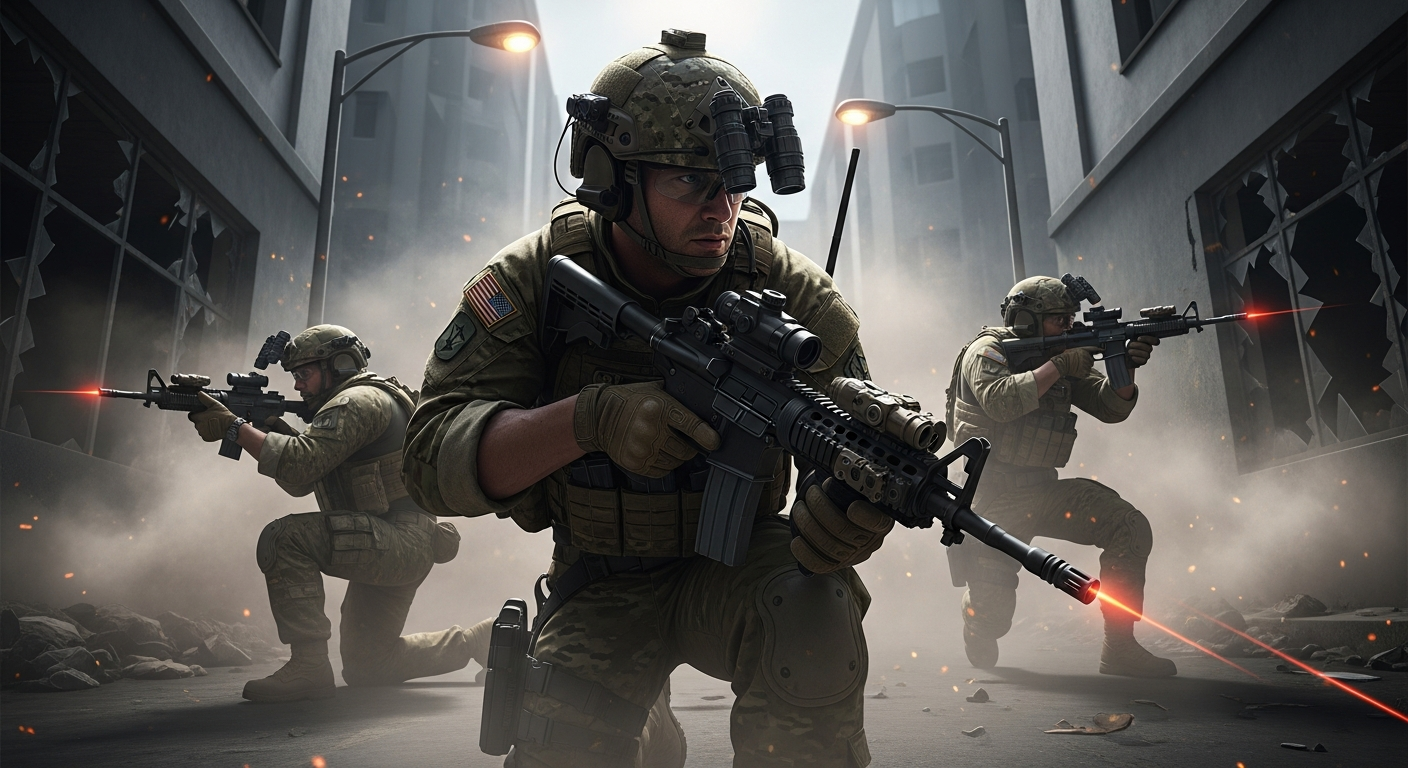 Delta Force, which is often called the 1st Special Forces Operational Detachment-Delta (1st SFOD-D), is the US Army’s top special operations team. The delta force handles very hard and risky combat operations that regular us military forces cannot do. Their missions often do not follow usual military rules and need people with a very different set of skills.
This group is at the heart of how the country can carry out fast strikes and react quickly to danger in any part of the world. In this, we will look at their past, what they can do, and why they are not like other us army or military units.
History of Delta Force Deployment in Hostile Regions
Delta Force was started on November 19, 1977, because of several big terrorist attacks. These events showed that the US needed a full-time group to fight terrorism. Colonel Charlie Beckwith started Delta Force. He wanted to build a team of “doers” that could take on tough jobs, like direct action and special operations. He got many of his ideas from his time with the British Special Air Service (SAS).
There is a close link between Delta Force’s past and Iran. The group’s first big test came in 1980 during Operation Eagle Claw. This was an attempt to rescue 53 American hostages from the US embassy in Tehran. The mission did not work out, and Delta Force had to stop before it could save the hostages. But the team learned a lot from this event. These lessons led to the start of the Joint Special Operations Command (JSOC), so groups like Delta Force could work better together in future combat operations.
Delta Force has since taken part in many hot spots around the world—from the Persian Gulf War to tough places like Somalia, Iraq, and Afghanistan. The group has a long history of working in foreign affairs. They often get sent to handle high-stakes situations and operate under a lot of stress. This shows their skill when it comes to direct action, special operations, and working as part of the Special Operations Command.
Key Capabilities and Specializations
Delta Force is mainly known for a few key jobs. These include counter-terrorism, hostage rescue, direct action, and special reconnaissance. They are the top team for hitting high-value targets with quick strikes. This would be very important if there was a problem with Iran. The training they get is all about doing things with speed and great aim. This helps them get in, finish what they need to do, and get out before the enemy can stop them.
Besides direct action, Delta Force members are the best in special reconnaissance. These people can work far behind enemy lines to get important facts about things like military places or nuclear facilities. What they find is then used by leaders, even the President, for real numbers and real-time details.
Their high-level skills are backed up by other branches of the military. The Air Force, for example, helps with moving them and giving support from the air. This teamwork lets the team go anywhere in the world on short notice and with high secrecy. They also use special weapons that you cannot find with just regular troops.
Distinction Between Delta Force and Other Special Operations Units
In the US military’s Special Operations Command (SOCOM), there are different groups called tiers. Delta Force is a Tier 1 group. The Navy has DEVGRU (SEAL Team Six), and the Air Force has the 24th Special Tactics Squadron. These units get the most secret and tough jobs from top leaders in the government.
Other special operations teams, like the Army Rangers and Green Berets, are also top-level in the us military. Rangers are well-known for being the best light infantry. They often do raids and take over airfields. Green Berets are experts at working in special situations and also help train foreign forces. But Delta Force is different. It mainly takes on direct action and counter-terrorism duties.
The way Delta Force brings in new people is very tough. Many of them come from the 75th Ranger Regiment and Special Forces, which are special forces units. During the pick process, around 90% do not finish. Only the strongest and most ready soldiers get into Delta Force. This hard standard is what puts Delta Force at the top inside special operations command.
Understanding the Iran Scenario
 The Middle East is a place where things stay complicated, and Iran is often at the center of US plans and actions. Tensions are rising, and there is a lot of military activity and stand-offs. The fighting that goes on through other groups adds to the risk. The US military has to be ready for many different things that can happen there. Planning for military operations in the Middle East is always on the minds of those who work in national security.
Because of all this, it is important to know why Iran matters to the US, what made things worse recently, and what the official US stand is for using the military.
Why Iran Is a US Strategic Interest
Iran is a country that has a lot of value to the United States because of where it is, the power it has in the Middle East, and its nuclear program. Iran sits right between the Persian Gulf and the Gulf of Oman. There is the Strait of Hormuz, which is a small but very important spot for moving oil. A big share of the world’s oil goes through this place, and Iran has a lot of say over what happens there.
The United States and its friends want to keep these waters open for trade. If something blocks the Strait of Hormuz, the whole world can feel it, and the economy could take a big hit. Iran also helps groups in the Middle East that can cause problems for the united states or its allies. This gets in the way of their security plans.
The country’s nuclear program is another major worry for Washington. The U.S. sees stopping Iran from making a nuclear weapon as very important and part of its national security. This is why the united states keeps an eye on Iran all the time, even thinking about quick actions if needed.
Recent Events Leading to Regional Tensions
Regional tensions have gone up a lot after a new round of fights between the countries. A joint US-Israeli military plan called Operation Epic Fury brought many big strikes against targets in Iran. The attacks hit command centers, ballistic missile sites, navy ships, and air defense forces inside Iran.
After Operation Epic Fury, Iran answered with its own drone and missile strikes. The Iranian attacks hit Israel, places that have US bases, and other countries like Qatar, the United Arab Emirates, and Bahrain. These iranian attacks caused damage to important structures, like airports in Dubai and Abu Dhabi. This made people worry that there could be a much bigger war in the whole region.
Things got even more serious when Israel carried out strikes in Tehran that led to the confirmed death of Supreme Leader Ayatollah Ali Khamenei. The killing of supreme leader Ayatollah Ali Khamenei created a power vacuum in Iran and caused the Iranian regime to promise to get revenge. Now there could be even more open and secret fights between all the sides involved, and the whole area is facing a risky and tense time.
US Policy Toward Military Engagement in Iran
The official policy of the US on using the military in Iran has many parts. It works to put pressure on Iran by talking to their leaders but also shows the real risk of using force if needed. The White House works together with the National Security Council to lead this plan. The US does not want to start a big war unless there are no other choices. But, the president can still decide on smaller attacks or use special operations to keep American interests safe.
President Donald Trump has said he is ready to use force if he has to. He talked about how the US and Israel plan and act together, saying things are “going as per planned.” President Donald Trump also said he could remove sanctions if a new and more open Iranian leadership takes power. This tells us the US is trying to make the Iranian regime change how it acts, or maybe even change out the regime.
Even with all of this, the White House is careful not to say if it will help if the people of Iran start to push back against their leaders. This leaves some things unclear about what the US will do. With this way, the US can change its moves as things in Iran change. This could mean doing things in secret or carrying out bigger military actions if that is needed.
Credibility of Reports on Delta Force Presence in Iran
 When people talk about the things units like Delta Force do, it is very hard to know what is true and what is not. Stories about Delta Force being in places like Iran often show up in news that does not come from official sources. It is not easy to check if these stories are right. The way they work also means groups like the news media or the Security Council do not often say much about it.
Now, we will look at the types of information that are out there. We will check open-source intelligence and official statements, and see how likely it is that Delta Force members are actually in Iran right now.
Open-Source Intelligence and Media Coverage
Open-source intelligence uses news stories and things people post on social media. The information that comes from these places gives us hints, but it does not often give clear proof about secret missions. Big news groups like The New York Times and The Washington Post can get tips or special updates from people in the government. Still, these details are not confirmed and are usually shared in a careful way.
For example, when President Trump talked about the “Venezuela model” for regime change, he was pointing to an old Delta Force mission. Reporters right away started looking at how this idea might be used with Iran. They showed how past actions could fit into new plans, but they did not say anyone was really sent.
People also share news and photos on social media during hard times or fights. Still, many of these posts cannot be trusted and are sometimes used for false stories. Even if news sites say something about them, they do not really show that Delta Force is there for sure.
Statements from US Defense Officials
Statements from US defense officials, like those from the Pentagon and the State Department, are often careful when they talk about special operations. The official rule is to not say yes or no about the work of units like Delta Force. This is called “plausible deniability,” and it helps keep missions and their people safe.
The Secretary of State might talk about big diplomatic plans or policy ideas, and people from the Pentagon might talk about regular military operations. But they will choose to stay away from the details of covert work. For example, CENTCOM may confirm strikes on Iranian military targets. They still will not say if Delta Force did the job.
If asked about military operations, these officials are taught to not give a straight answer. If any official ever said Delta Force was working inside Iran, it would be very unusual. That would probably happen only if the mission became public after something clear, such as a big capture or a clear success, that people could see and talk about.
This is how the State Department, Secretary of State, and others manage information about special operations and Delta Force.
Considering Official Announcements vs. Covert Operations
There is a big gap between military operations that get announced to the public and those that stay secret. When officials talk about military operations, it is for the public and helps send a message. But secret actions are planned to be hidden. For example, the Pentagon might talk about airstrikes to show they mean business. But they will not give out details about what top units like Delta Force are doing.
President Trump has used Truth Social to share bold claims about combat operations. He has said things like “combat operations are now ongoing at full power.” But these big statements leave out the small, sensitive facts like what the military is really doing or who is taking part.
Delta Force is strong because they protect their plans. If their location is announced, the mission could fail and people might get hurt. So, any word about Delta Force in Iran is more likely to come out later—through leaks or when papers are released to the public—not from officials talking about it right away.
Secrecy of Special Operations Missions
 The world of special operations is built on secrecy. For groups like Delta Force, keeping things secret is not just a rule to follow. It can be what keeps people alive. The success of every mission and the safety of those in Delta Force depend on how well they can move without being seen or known.
In this, you will see why it is so important to keep things secret. You will also find some examples from the past where secret missions were used. We will talk about the ways Delta Force hides what they do from both the public and from people who may want to harm us.
Delta Force and other special operations teams take great care to keep their work out of sight for these reasons.
Importance of Operational Security
Operational security means keeping important but not secret information safe. When small bits of information are put together, they can show bigger details about a mission. For top military units, it is key to keep OPSEC strong, so they can surprise their enemies and stay safe. If people know that Delta Force is in an area, the enemy will get ready, try to find the soldiers, or move important targets.
This rule matters even when there are no active missions. The names and faces of Delta Force members are kept hidden to keep them and their families safe from harm. Not long ago, the White House had to say sorry for showing a photo with the faces of Delta Force operators during a visit to Israel. This showed how important it is not to have OPSEC mistakes.
Strong operational security is a big part of the united states national security plan. It helps the country show strength and meet big goals without letting anyone know what their military units are doing. This gives the leaders choices that they would not have if everyone knew what the Delta Force and other groups are doing.
Historical Precedents for Secret Deployments
History has many stories of secret military operations with special units. Many of these missions are so secret, the public does not know about them until many years later—or not at all. The reason for starting Delta Force was to have a group that could do work in secret. For over forty years, Delta Force has been in many places, taking part in actions that were not made public.
There was an operation in Venezuela to try to get President Nicolas Maduro. President Trump spoke about this later. This shows that special operations forces can be used for big political reasons. The people planning these missions work in secrecy to keep things quiet and get the best result.
Large military operations like Operation Epic Fury also used these special groups. During Epic Fury, most people only knew about the airstrikes or what happened at sea. But these smaller teams were on the ground, finding information and helping these bigger actions, though most will not hear about it. Because of how things have gone in the past, if Delta Force is in Iran, the news may never talk about it.
Methods Used to Conceal Special Forces Activity
Hiding what special forces do uses a mix of spy skills, new tools, and official lying. These ways help give a cover story that makes things look normal and keep the job safe. People in these units learn how to fit in and not stand out. They sometimes wear everyday clothes and act like others who live there, so people will not notice them.
Working together with spy agencies like the CIA is also very important. These groups can help with fake identities, secret places to stay, and supplies. Their help stays outside the usual army path, which makes it harder for anyone to spot the special forces.
Other ways to hide special forces work include:
- Cover Names: The group may use names like Combat Applications Group (CAG) or Army Compartmented Elements (ACE). This tricks enemies and makes it harder to follow them.
- Classified Operations: Most jobs are very secret. Details are only given to people who really need to know, even inside the government.
- Disinformation: Giving out wrong information can send people the wrong way, keeping the true plan and spot unknown.
Typical Mission Profiles for Delta Force in Iran
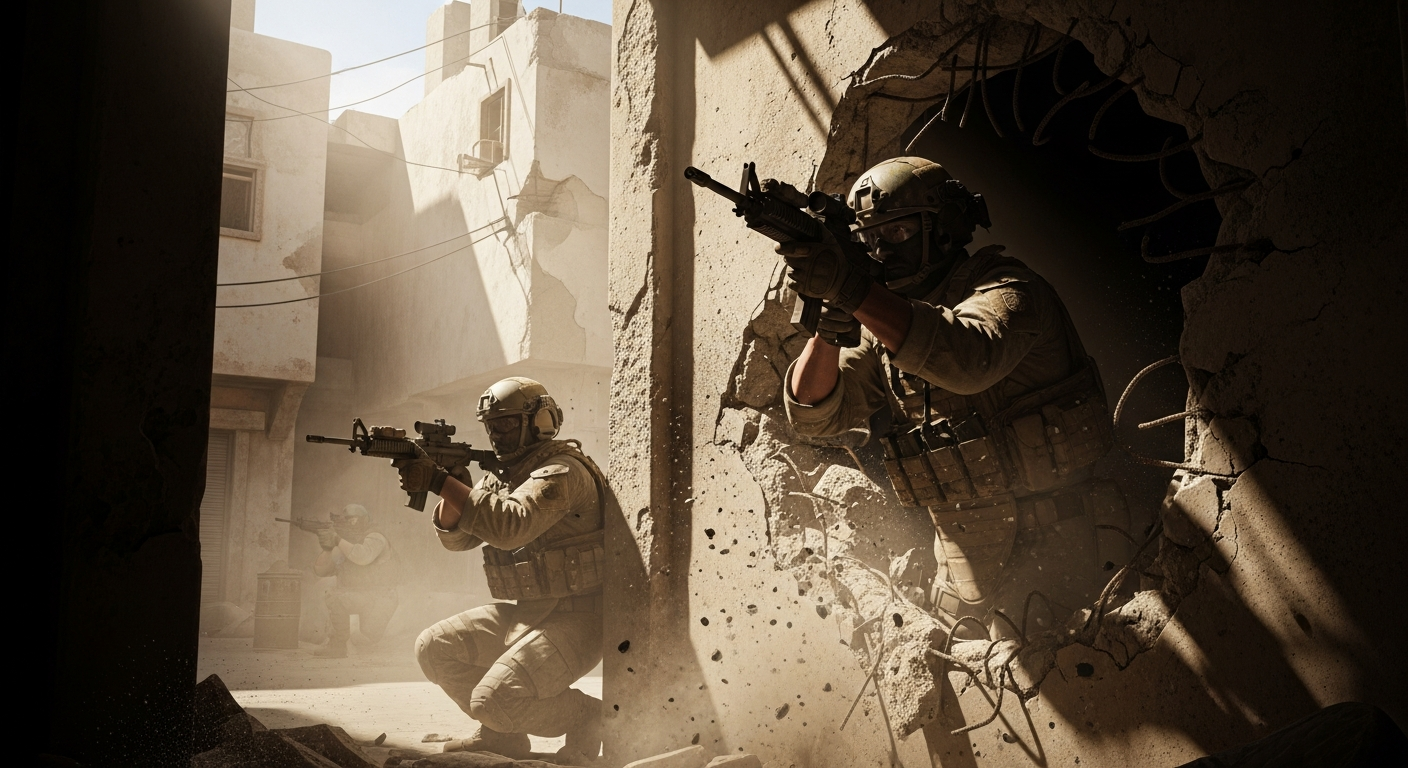 If Delta Force goes to Iran, they will do what they are trained for in special operations. These are tough jobs that are too risky for regular soldiers. Delta Force will carry out careful missions that can make a big difference, even with just a few people on the ground.
The work they might do includes stopping terror attacks or checking out important places like power plants or bridges. These are some of the most likely things that Delta Force might take on if they get sent to Iran.
Counter-Terrorism Assignments
A main job for Delta Force in Iran would be to stop terrorism. They focus on top people in the Iranian regime or groups linked to them. This could mean going after leaders of the Islamic Revolutionary Guard Corps (IRGC). The U.S. sees the IRGC as a terrorist group. If there is a strike on their top commanders, it could hurt the way the IRGC works and also lower their power.
These missions show what a quick, sharp attack is like. A small group from Delta Force will move in, check where the target is, and then do the job carefully. They try to keep damage very low and not make the fight bigger. Delta Force has gotten very good at this over many years in dangerous places.
These kinds of jobs are part of a bigger strategy. That might be to push for regime change by taking out important leaders of the Iranian regime who help keep things tense. If the top members of the islamic revolutionary guard corps or other regime leaders are gone, it could make things less stable in the government. This could make it possible for a new government to rise up.
Hostage Rescue Scenarios
Hostage rescue is one of the main jobs that Delta Force was built to do. If the iranian regime ever holds American citizens or U.S. officials as hostages, Delta Force will be the main team sent to get them back. There is a lot that goes into these high-risk operations. Only a Tier 1 unit like Delta Force can give the right level of planning and follow-through.
The failed Operation Eagle Claw in 1980 still shows us how hard these missions can be. After that, Delta Force changed and made their plans better so they could have a better chance for success. A rescue today would need good and careful intel, perfect entry into the place, and a fast and strong attack.
There can also be big political effects when hostages are taken. If you rescue them, the U.S. looks good. If the mission fails, the cost can be high. This is why hostage rescue is both one of the most stressful and hardest things Delta Force men and women have to do.
Nuclear Facility Reconnaissance and Sabotage
The Iranian nuclear program is a very important national security issue for the United States. If the United States had information that Iran was close to making a nuclear weapon, Delta Force might be sent to find out more or try to stop work at a key nuclear site. This kind of job would be very risky because there is a lot of security at these places.
The team would have to get deep into Iran to learn about the way things are set up, the security, and how the facility works. The information they get would help the United States decide on airstrikes or other military plans. Finding out these details without being seen is something Delta Force trains for, even in very dangerous areas.
If a more direct action was ordered, Delta Force could try to damage the facility in order to slow down the Iranian nuclear program. The team might try to break machines, destroy important pieces, or do other things to make sure work at the site stops. This could help the United States slow down the project without bombing the place, which might cause problems for many people and might have big political or environmental results.
Strategic Objectives Behind Potential Delta Force Deployment
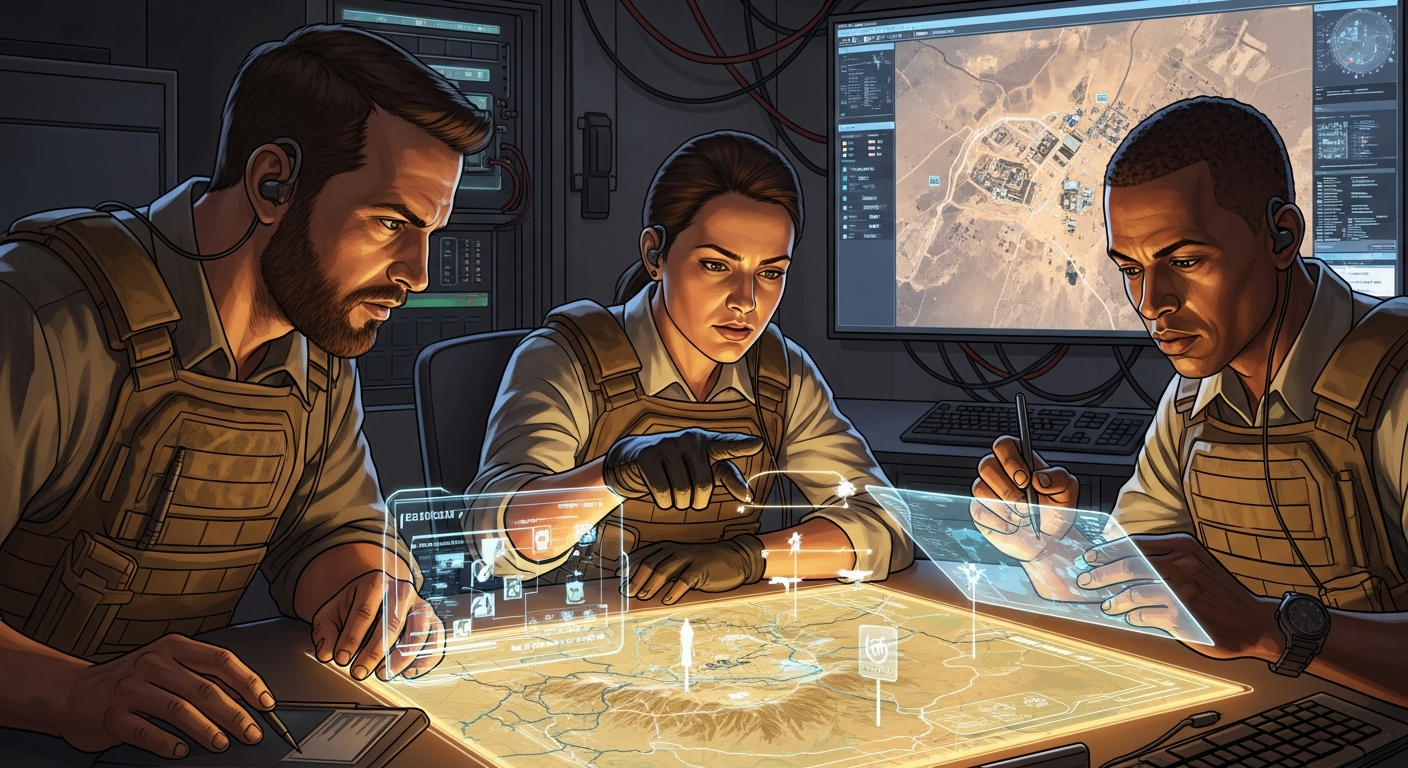 Sending a team like Delta Force into Iran would not be a random act. The United States would have clear reasons for this move. It would connect to what the united states sees as important for its national security.
Each mission, whether it is to watch and gather info or to take part in direct action, would help reach bigger goals in a tough matchup with Iran.
The united states could use united states Delta Force troops to get key facts or to stop dangers that could hurt the united states or its friends. Now, let’s look at the main goals the united states may have when it comes to using Delta Force for these kinds of missions.
Gathering Intelligence on Iranian Military Assets
One of the most important goals for a Delta Force mission would be to get firsthand intelligence on Iranian military assets. Satellites and signals intelligence can be helpful, but having “eyes on target” is better. The people on the ground can share details you cannot get from far away.
The team could check how ready the Iranian air defenses are. They might find where mobile ballistic missile launchers are placed. They would also help map command and control centers. This up-close intelligence is very useful to U.S. Central Command (CENTCOM). It can help plan future military operations. It also ensures strikes are good and helps lower risks for US forces.
With Delta Force working deep inside Iran, they can give a real-time look at the military situation. This kind of information would give the U.S. a big edge. The U.S. can know what Iran will do next and find weak points in their air defenses.
Disrupting Plots Against US Interests
One big goal should be to stop plans against US interests before they happen. The Iranian regime has used its own secret forces and other groups many times to go after Americans and their friends. Delta Force can go in to stop these dangers where they begin.
This work can mean Delta Force takes on jobs like blocking weapon moves, breaking up terrorist groups, or going after key people who make these attacks. For example, in 2024 court papers showed there was a plan from Iranian officials to kill former President Trump, but the plan failed. This shows that the threat is real. Stopping attacks before they start is a key part of keeping safe.
When the US takes action first and goes after its enemies, it lets them know that there will not be room for attacks on US interests. While these operations do not try to cause regime change on purpose, breaking up the Iranian regime’s hostile moves over time can still hurt its hold on power.
Supporting Allied or Local Operations
Delta Force would most likely not act alone. A big part of their job could be to help other teams or even work with local groups in Iran. In the recent fight, the U.S. and the Israeli military have been working together. Delta Force might act as a go-between, helping teams talk with each other and sharing what they know.
They could help in many ways. They might guide Israeli airstrikes to hit the right spots. They could also give fresh information to their partners on the ground. Sometimes, they may even train and help local groups in Iran who support the US and its ideas. This is much like what the Green Berets do, but when it comes to Delta Force, the jobs they do call for a higher level of secrecy and the skill to act fast and direct.
When Delta Force works with others like the Israeli military, or teams in Abu Dhabi, it makes any plan stronger. It helps make sure that all teams are working from the same plan and using what each side does best. This teamwork brings better results and creates something bigger than just one team could do alone.
Legal and Policy Framework for US Special Operations Abroad
Sending special operations teams into another country like Iran is a serious action. The united states has a set of rules and policies to guide this. These rules are put in place so that only top leaders can approve such missions. There is always some form of oversight to check on these choices.
It is important to know how these steps work. The president must say yes, and Congress gets to watch what happens. This helps everyone understand more about why and how the united states might send special operations teams. Now, let’s look at the steps and laws that control these careful missions.
Congressional Oversight and Notification Procedures
The President holds a lot of power to order military action, but he cannot use that power alone. Congress helps keep this power in check as part of the country’s checks and balances. The War Powers Resolution of 1973 says the President must let Congress know within 48 hours if he sends armed forces for military action.
For secret missions, the rules about telling Congress change and are more private. A small group of leaders from Congress, called the “Gang of Eight,” may get updates from the National Security Council. The full Congress does not have to know to help keep the mission safe. This way, there is still some oversight, but it does not put the mission at risk.
President Donald Trump has worked under these rules while in office. But it is not always clear to the public when or how he makes these reports about covert actions. The need for secrecy often goes against the rule for congressional oversight. This struggle is normal in US policy when it comes to special operations, the national security council, and national security.
War Powers and Presidential Authorization
The President of the United States is the Commander-in-Chief. This means he has the power to direct military operations under the Constitution. Article II gives the President the right to send special forces, like Delta, for counter-terrorism missions or defensive actions. The President can do this without a formal war declaration from Congress. This is the main way the united states President gets the legal right to order these missions.
President Trump, like the leaders before him, used this power to respond fast to threats. The white house can approve missions that need speed and secrecy. This skips the long talks in Congress and lets the president act on new targets right away.
The War Powers Resolution is a law made to keep a check on this power. It says the President has to bring the troops home after 60 days unless Congress gives more time or declares war. But, for short and secret military operations, the president’s early approval is what matters most in the law.
International Law and Rules of Engagement
Beyond domestic law, US military operations are also guided by international law and specific Rules of Engagement (ROE). International law generally prohibits the use of force against the territorial integrity of another state. However, exceptions exist for self-defense, which is often the justification for pre-emptive or retaliatory strikes. The UN Security Council can also authorize military action, but this is rare in cases involving major powers.
The ROE are specific directives that dictate when and how US forces can use force. For a unit like Delta Force operating covertly, the ROE would be highly classified and tailored to the specific mission. They would outline the conditions under which operators could engage a target, what level of force is authorized, and how to minimize civilian casualties.
These rules are a critical component of ensuring that operations, even secret ones, are conducted within a legal and ethical framework. They balance military necessity with the principle of proportionality and distinction.
| Principle of Engagement | Application in a Covert Operation |
|---|---|
| Military Necessity | Force can only be used to achieve a legitimate military objective. |
| Distinction | Operators must distinguish between combatants and non-combatants. |
| Proportionality | The harm caused must not be excessive in relation to the military advantage gained. |
| Humanity | Unnecessary suffering is prohibited; certain weapons are banned. |
Iran’s Response to Possible US Special Forces Activity
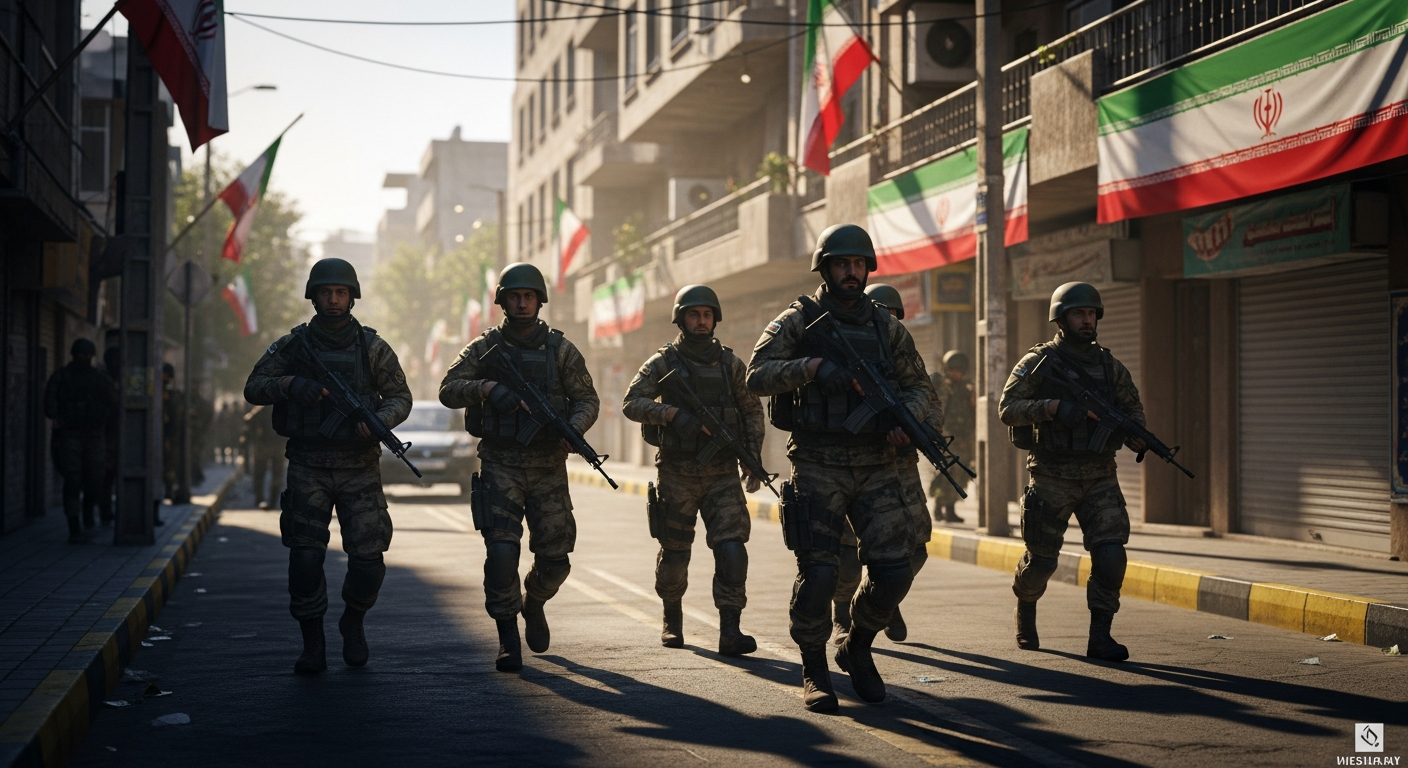 If the Iranian regime finds out about US special forces in its country, it will likely act fast. The response could come in different forms. This kind of military operations would be seen by Iran as a very serious attack on its land and as a sign of war. This would most likely make Tehran fight back in a big way.
The Iranian regime would react both with force and by making statements. Iran would try to fight the threat in a direct way. At the same time, it would talk about the incident to get help from its people and from other countries. Below, we will look at what steps Iran might take and the kind of messages it would put out.
Iranian Military Countermeasures
The Iranian military would move fast to find and stop the US operators. The Islamic Revolutionary Guard Corps (IRGC) would lead this job. The IRGC knows a lot about security inside the country and fighting hidden threats. They would use their special forces and top intelligence teams to search for and take out the American team.
Iran would also raise the alert for its air defenses to a high level. They would try to shoot down any planes that they think might be bringing in or picking up US troops. Iran would look closely at their borders and coastline for any signs the US team got in. If they caught a US operator alive, it would give them both useful information and make the army look strong—it would be a huge moment for the Islamic Revolutionary Guard.
Along with this, Iran might answer with other actions that are not direct attacks. They could have their proxy groups hit targets in the region more often. They might go after shipping in the Persian Gulf. Iran could even launch missile strikes at US bases or friends of the US, which would grow the conflict fast.
Keywords: islamic revolutionary guard, revolutionary guard corps, persian gulf, islamic revolutionary guard corps, special forces, air defenses, missile strikes
Domestic Political Messaging
Inside Iran, the iranian regime would use the news of US forces found in their country to make people feel the need to stand together. State news would call this act a show of foreign force. It would be seen as an attack on what belongs to Iran and on its freedom as a nation. The government would use this story to explain why it has to act tough with anyone who does not agree, saying that those people work with the enemy.
The death of the supreme leader, Ayatollah Ali Khamenei, already made things tense at home. Finding US troops would be told as one part of a big plan for regime change. Leaders would say it is all to put down the Islamic people of Iran. This idea would be pushed to make everyone join together and fight a common outside enemy.
The government would set up marches that blame the US. The new leadership council would say they will answer for the “martyrdom” of the supreme leader ayatollah ali khamenei and defend the islamic republic. With this, the toughest group in power could get more control, which would make any talks for peace between Iran and others harder.
Previous Iranian Responses to Covert Operations
Iran is known for its strong reaction when it feels someone has stepped on its land or rights. In the past, if there have been secret moves or someone coming into their country, Tehran does not wait or back down. For example, the Iranian Navy has taken over ships from other countries and picked up military personnel who moved by mistake into their waters.
These events often get a big spotlight on Iranian state media. They show pictures or video of the people and things they have taken to let everyone see how strong their military is. Sometimes, the people they hold get used as a way to talk or make deals with Western countries. From this, it looks like if the special forces from the US got caught, they would likely end up in the same spot.
Iran has hit back before when someone tried secret missions on them. When their nuclear scientists were killed, Iran answered by making their nuclear program go faster and giving more help to groups nearby that work with them. Looking at the way things have happened, if Iran finds out that US special forces have run an operation inside its area, it will not just stand by. Iran will strike back, maybe out in the open, maybe in secret—just like before.
How Delta Force Would Operate in Iran
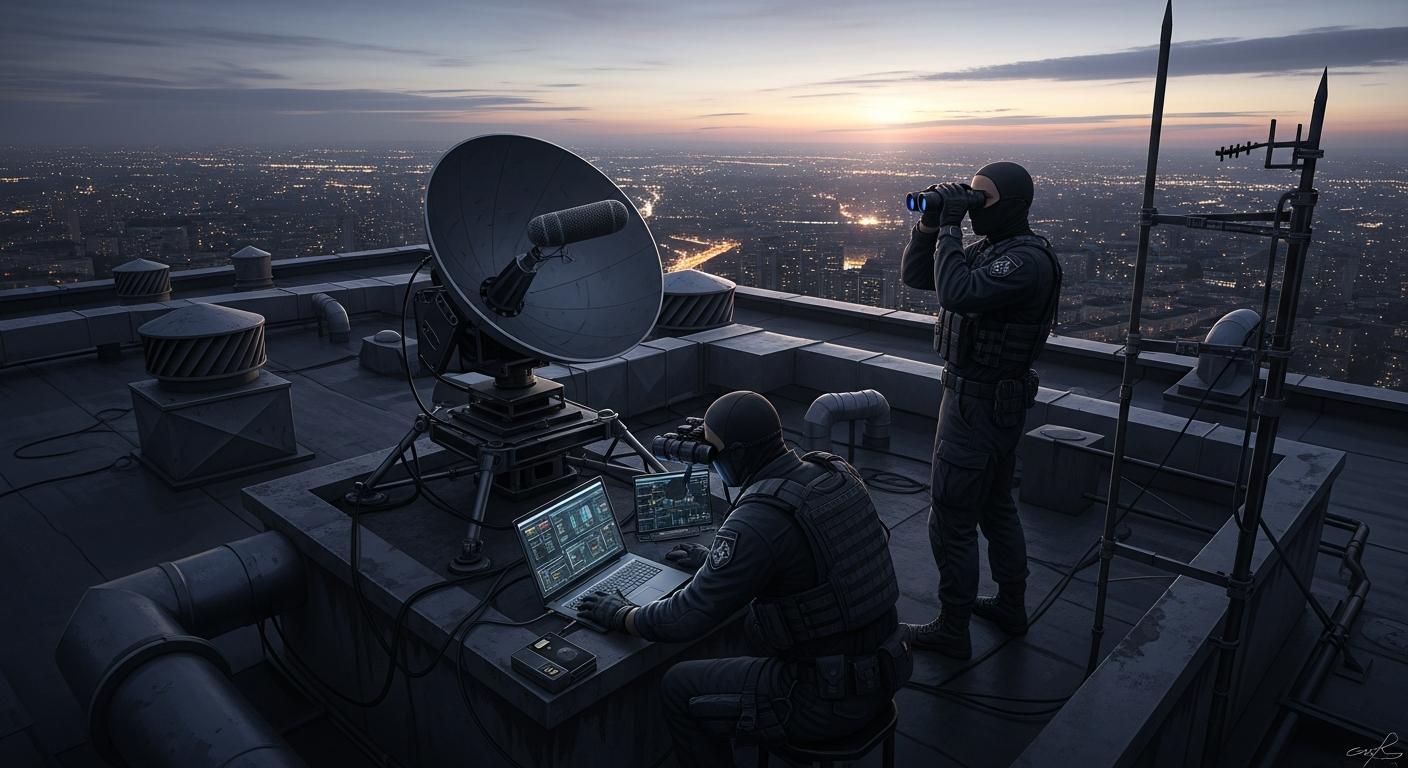 To picture how a group like Delta Force would carry out missions inside a place with tough defenses like Iran, you need to know about the special tactics and skills they have. Delta Force works under the Joint Special Operations Command. If they get a job to do, the plan will be made with care to make the mission a success and make it hard for anyone to find out about it.
They will use smart ways to get inside the country, work closely with teams that handle intelligence, and use the newest tools and tech. Here’s how these special operators would go in, finish the job, and get out without being caught.
The work of Delta Force and other units under the special operations command is built on these steps for every special operations mission.
Ingress and Egress Techniques
Getting into Iran without being seen is the first big problem. Getting back out is just as hard. Delta Force would most likely work with the 160th Special Operations Aviation Regiment, called the “Night Stalkers.” This group flies special helicopters, like Black Hawks and Chinooks. The helicopters are changed for low flying at night deep in dangerous places.
Having air superiority matters a lot for the mission. Fighter jets may clear a safe path through the sky for the transport helicopters. Or, stealth aircraft—like the B-2 bomber—could fly in first and take out Iranian air defenses. Sometimes the team could go by sea, using submarines or small boats. They could also parachute in with a HALO (High Altitude-Low Opening) jump.
When it is time to leave, it is still dangerous. The extraction plan needs to be as strong as the way in, with back-up plans in place. These are some ways Delta Force might leave:
- Helicopter Extraction: This is the most used way, with helicopters coming in at night to a place picked beforehand.
- Ground Exfiltration: They could move on foot into a nearby friendly country. This way is slower and much more risky.
- Rallying at a Temporary Military Base: They might meet up with other special operations teams at a hidden military base set up for the mission.
Coordination with Intelligence Agencies
No special operations mission happens without information. Delta Force often works very closely with other US intelligence groups. One key group is the Central Intelligence Agency (CIA). The CIA’s Special Activities Center has its own people, and many of them used to be with Delta Force. The CIA also has sources and tools in the field, even in countries like Iran.
The CIA can give very important information from local people. They can offer safe places for the team to stay, and give help with travel and other needs. These things can be kept quiet and hidden from any official military group. Working together like this is key. It helps everyone get the deep, clear information needed to get ready for the mission and make it work.
This information is shared along with signals from the NSA and pictures from the NGA’s satellites. All of this goes to US Central Command and the National Security Council. They make sure the Delta Force and other teams get the newest and best information for national security, both before and during the mission.
Use of Advanced Technology and Equipment
Delta Force operators use some of the best technology and equipment that normal service members do not get. This gear is made to fit the mission and where they are going. They carry special weapons with things like advanced optics, suppressors, and laser designators. This helps them hit targets with care, even at night.
They also have top communication systems. These are encrypted and hard for others to find or block. Delta Force uses advanced surveillance tools, such as small drones. These give them live video from the area they need to see. This technology helps them more than what most others have.
Their gear also includes strong but light body armor, night vision goggles, and medical kits. Delta Force does all this to make every operator work well and stay alive, no matter what the mission is. Whether they go on a raid or need to gather information deep in enemy land, they sometimes get help from other assets, like fighter jets.
Risks and Consequences of Operating in Iran
 While the skills of Delta Force are great, sending them into Iran comes with big risks and could lead to serious trouble. If a mission does not go well, it can end badly for the people involved and also hurt US foreign policy. It might even upset the safety of the whole area. The security problems are both tough and different.
There is a real chance this could lead to a bigger war or start problems between countries. The stakes here are very high. We need to look at the exact risks of sending delta force and think about what damage could come from it.
Risk of Escalation and Broader Conflict
The biggest risk of a Delta Force mission in Iran is that things could get out of hand very fast. If people find out about the mission, or if many Iranians get hurt, Iran may hit back in a strong way. This can start a back-and-forth with the US. It could grow into a big fight in the Middle East before anyone can stop it.
If a larger war starts with Iran, it would be very bad for the Middle East and for people around the world. The fight would likely pull in other countries near Iran, and it might stop the flow of oil. This means there could be a world energy problem and gas prices could rise. The US has talked about using military action. President Trump even said a fight might last four to five weeks. In truth, the loss of lives and money could be much greater.
Even if Delta Force pulls off a mission and hits a certain target, Iran might see the move as the start of a push to change its leaders. If the Iranian government feels threatened, it could make quick and dangerous choices. This would put the Middle East in more danger and make things much less safe.
Potential for Diplomatic Fallout
Beyond the military risks, if the united states is caught running an operation in Iran, it would lead to big problems with other countries. Many nations would see it as breaking Iran’s rights and going against international law. Even those who are usually close to the united states might move away from Washington. They would not want to get involved in the trouble, which would leave the united states alone.
This could hurt US foreign affairs and national security for a long time. It would be much harder for the united states to work with other countries to tackle big world problems. Many top partners might lose trust in the united states. Talking with Iran about anything serious would also become close to impossible for many years.
The problem would also harm how people see America as a supporter of following world rules. It would give other nations, like Russia and China, a reason to say the united states does not follow the very rules it asks others to keep. This could also make the world’s important groups, which the united states has helped lead, much weaker.
Security Challenges Unique to the Iranian Theater
Operating in Iran brings many security problems for special operations forces. The country is harder for the us military to work in than places like Afghanistan or Iraq. In those places, the US built up a big base over time. But Iran is strong and has a tough, layered defense system.
Its air defenses are very strong. It makes flying into the country very risky. The land is huge and changes a lot. There are rough mountains and thick city areas. This helps people defending the country and makes it hard for outsiders to move around.
Iran has a strong group for inner security. This includes the IRGC and Basij militia. They can act fast and go after anyone they think is a foreign threat. Most people there do not fight the leaders. It’s hard to get help from local people.
Also, there is not a big us military force close by. If special operations need help or a rescue, it would be very tough to make it happen. Teams would be on their own, deep in enemy land, going up against a skilled and strong enemy with tight air defenses.
Example Delta Force Missions Near or Involving Iran
 To see what a Delta Force mission in Iran might be, it helps to look at earlier special operations in and near this country. The story of this unit started with a big mission in Iran. These real and what-if cases show how they work and what they want to do.
From saving hostages to watching from afar, these jobs show how elite forces like Delta Force have been part of the rough ties between the US and Iran. Their part in these events came well before new missions, like Operation Epic Fury.
Operation Eagle Claw (Iran Hostage Rescue, 1980)
Operation Eagle Claw was the first time many people heard about delta force. In April 1980, this group was given a tough job. They had to try a hostage rescue. Fifty-three American diplomats and citizens were being held by the iranian regime in the US embassy in Tehran. The plan was big. It needed help from more than one part of the military.
But things did not go well. Bad weather showed up. Several helicopters broke down. There was a crash at a desert spot where fuel was being put into helicopters. Because of all that, the team had to stop the mission. Eight service members died. They could not get any hostages out.
The loss during Operation Eagle Claw was hard for everyone. Still, it taught some important lessons. The military saw there were big problems leading multi-service special operations. Things needed to be fixed right away. After this, people worked to make things better. The 160th SOAR started to help with flying. They also created the special operations command called JSOC. JSOC made sure super important teams, like delta force, all worked together well. The goal was to keep anything bad like this from happening again.
Surveillance Missions Near Iranian Borders
US special operations forces, like Delta Force, do not often enter Iran directly. When they do, these actions are kept secret. Most of the time, these military operations take place near Iran’s borders. The teams usually work out of nearby countries, such as Iraq or Afghanistan. Some of them also operate from ships in the Persian Gulf.
These special operations go out to watch and learn about Iranian military moves. They check border crossings for smuggling or people crossing who may cause problems. They also keep an eye on Iran’s defenses. To do this, they use strong electronic tools or they watch from hidden spots far away.
Doing things this way helps to get important information. It means the teams do not have to risk as much as they would in a deep raid. While not as bold or fast as a direct action attack, this careful and secret work is a big part of how the US gathers knowledge on Iran. It gives the facts needed to make smart plans for what comes next.
Hypothetical Scenarios Involving Iran’s Nuclear Program
There is a lot of talk about Iran’s nuclear program, and that has made many people believe Delta Force must plan and maybe even carry out missions about it. But there is not any public proof this has happened. Still, people in military planning think about what could be done. These can go from watching nuclear facilities to stepping in to cause problems.
One way could be for a small team to sneak into Iran and put sensors close to places they think are part of the nuclear program. These sensors can pick up signs of enriched uranium and other proof the country is making weapons, the kind that satellites can’t always catch.
Another, more serious, way would have Delta Force go right into a nuclear facility. They could break machines called centrifuges, spoil the materials, or mess up key parts that keep the program running. If this happened, it could stop the program for a long time. This kind of direct action would be very risky, but it would be considered if the President thinks military action is the only way to stop Iran from making a bomb.
News and Sources Reporting on Delta Force and Iran
It can be hard to know what Delta Force is doing because they keep things secret. People have to gather bits of news from many places to figure things out. You usually do not get an official answer about their work. But when things heat up with a country like Iran, good news stations and national security writers sometimes give us a peek into what Delta Force might be doing.
These reports often come from things that leaders say, talks from inside the government, and what experts guess is going on. All these things together give us some idea of life behind closed doors. Now, let’s see where to find reports like these about Delta Force and national security.
US and International Mainstream News Outlets
Big news companies in the United States and the world can change how people see military operations. News from trusted places like The New York Times and Washington Post can tell the public about what Delta Force might be doing, even though they do not give away private or sensitive details. These outlets check the truth of their sources. They talk to people like government workers and military experts to share their thoughts about missions, like special operations that happen in Iran.
This careful look helps people see what these events mean for national security and the world. It gives us a better way to think about these issues, especially when there are big problems between countries.
Military and Security-Focused Journalism
Reporting from news outlets that focus on the military and security gives people a look at what units like Delta Force may do. These sources look at intelligence and follow changes happening in the Middle East. By checking facts from good sources, journalists help us know what is going on with troop movements and how missions take place.
News stories may talk about problems Delta Force deals with in Iran, like what the Iranian army can do or how they try to stop U.S. operations. Also, these kinds of stories can shape what people think about military actions. It matters for national security, so these reports try to share enough with the public without putting missions at risk.
Analysis from Former Military and Intelligence Officials
Insights from people who used to work in the military and intelligence fields show that delta force operations in Iran are very secret. These experts often say there is a lot of secrecy in special operations. Most of the time, what happens in these missions is not shared with the public until after the work is done. This is even more true because the U.S. still has problems with the iranian regime. There can be many kinds of operations. In some cases, service members might gather information. At other times, they might act directly against top targets, like nuclear facilities or military sites.
Also, the real number of service members involved is sometimes kept secret. This makes people and the news talk more about what the U.S. military could be doing in this area.
Delta Force Compared to Other US Units Operating in the Middle East
For people who know about military operations in the Middle East, Delta Force is easy to spot. This unit has a special skill set for direct action jobs. The U.S. Navy SEALs focus more on action in water. The Green Berets do well in non-traditional fighting, but Delta Force mostly works on risky hostage rescues and stopping terror attacks. The unit of Delta Force uses stealth and skill to handle these missions. They also work side by side with other military units like CIA paramilitary teams. Working together like this helps the group do better when facing danger in the Middle East.
US Navy SEALs
The Navy SEALs are known for being great at doing things in the water. They often work with other top military units, like Delta Force. Their training is all about moving quietly, being ready for anything, and going straight into action. This kind of skill is very important when they go into tough places like Iran.
Lately, SEALs have gone into different places where there is fighting. This shows they may be there to get information or move fast, mainly because of the Iranian missile threat. When we look at what the Navy SEALs do and how they work with the Army Delta Force, it helps us understand the big military goals. It also helps keep national security strong as the Middle East keeps changing.
The teamwork between these military units is key for being ready in the Middle East. Working together means they can answer any problem quickly and help keep the country safe.
US Army Green Berets
The US Army Green Berets often work together with Delta Force. These teams are well known for their skills in fighting that does not follow normal war rules. Green Berets are good at gathering information, direct action, and fighting against those who cause trouble in a country. If Delta Force is in Iran, the Green Berets could help them. They can use their language and culture skills to talk and work well with local people who are allies.
The Middle East changes often and can be hard to work in. That is why the skills of these teams are so important. As a result, they can share what they know and help plan together during military operations. Both groups change what they do to deal with new troubles and the things the Iranian regime and its military cause.
CIA Paramilitary Units
CIA paramilitary units take part in important U.S. military operations. They often work with Delta Force on tough missions. These teams handle intelligence work and do direct action tasks. They can change their plans as needed to fit the situation. The teams are trained for unusual warfare. They step in for things like counterterrorism and hostage rescue.
When the CIA teams join Delta Force, they become a key part of these missions. This happens most in risky places like Iran. Their work stays very private and people do not often know what they do. Because of this, there are many questions about what will happen next and what these teams really do for national security as things change in the world.
Future Prospects for Delta Force Missions in Iran
The future of Delta Force missions in Iran will depend on changing threats and any new steps in U.S. policy. Right now, there are more problems with the Iranian regime, and their military power, such as missile strikes, is growing. Because of this, it is more likely that we may see direct action in the area.
What people and leaders feel also matters, and the security council and current leaders shape how and when these military operations take place. If there is a need, Delta Force may go into Iran for many things. These could be gathering information, doing a hostage rescue, or any other jobs that show why this group is the best in these situations for the United States.
The delta force is trained for all of these, and what happens will depend on the choices made by leaders, the security council, and what the Iranian regime does.
Evolving Threats in the Region
Many things are causing more problems in the Middle East right now. The Iranian regime is using its military power in a stronger way. The Islamic Revolutionary Guard Corps is a big part of what is happening there. This makes things tense and could lead to more fighting. The Middle East has seen missile tests and work on nuclear facilities that make both the United States and its friends like Israel and Saudi Arabia worried.
Because of all this, people are talking more about the need for strong military action. Special forces like Delta Force could be involved in this. As the situation gets worse, everyone keeps thinking about what steps to take next and how the United States and its partners should respond.
Policy Shifts and Likelihood of Deployment
The recent policy changes from the Trump administration show that the United States is now taking a stronger approach in the Middle East. There is still a high chance of conflict in the area, especially with Iran and the Islamic Revolutionary Guard Corps. The decision to send Delta Force will depend on changing national security needs. If there is news about an urgent threat, or if action is needed fast, the United States might move forward without telling the public about these military operations right away. People often find out about special operations only after something big happens. This is because things like these are meant to be secret.
Possible Outcomes if Deployed
Sensitive military operations can lead to big changes. If Delta Force goes into Iran, there may be a few things that could happen. The group may try to stop Iranian missile programs, or take action first if they think there could be a threat from the Islamic Revolutionary Guard Corps. The mission could look at taking out key places, or could be more about gathering information that helps the U.S. with its national security.
But, any open talk from U.S. leaders about the actions would really depend on what the political scene looks like at the time. It would also matter how likely it is that things could get more intense in the region. This is a tricky balance. The back-and-forth over military presence puts focus on American support, and how the U.S. deals with other countries when making these choices.
Keywords used: islamic revolutionary guard, military operations, revolutionary guard corps, delta force, national security, iranian missile, islamic revolutionary guard corps
Conclusion
In the end, much about delta force being in Iran is still not clear. Many people talk about it, but facts are hard to find. The reasons for these special forces going there can be hard to understand. They go to gather information, stop threats, and keep U.S. interests safe. There might be secret missions, but what delta force can do is set by U.S. military rules and world laws. Knowing about these rules can help people see what special forces do in tough places like Iran. Things change around the world all the time, and delta force will face new missions and problems too. If you want to know more or have questions about this, you can ask for a free talk or consultation.
Frequently Asked Questions
Are there official confirmations of Delta Force operations in Iran now?
Right now, there is no clear word that Delta Force is working in Iran. Most of what people say comes from reports that have not been confirmed and from what military experts think, not from direct information. Because these kinds of missions are very secret, the groups in charge do not share much about them.
delta force
What missions would Delta Force likely pursue in Iran?
In Iran, Delta Force would mainly work on stopping terrorists, collecting information, and saving hostages. The team knows a lot about fighting in ways that are not usual, which helps them handle new dangers. They also work with other U.S. groups to make sure their plans succeed in the area.
Has Delta Force previously undertaken missions involving Iranian nuclear sites?
Yes, Delta Force has taken part in many secret missions at Iranian nuclear places. The real facts are not out in the open, but some stories do point to Delta Force trying to get useful information and stop dangers. This shows just how important Delta Force is in keeping the country safe when it comes to Iran’s nuclear plans.