
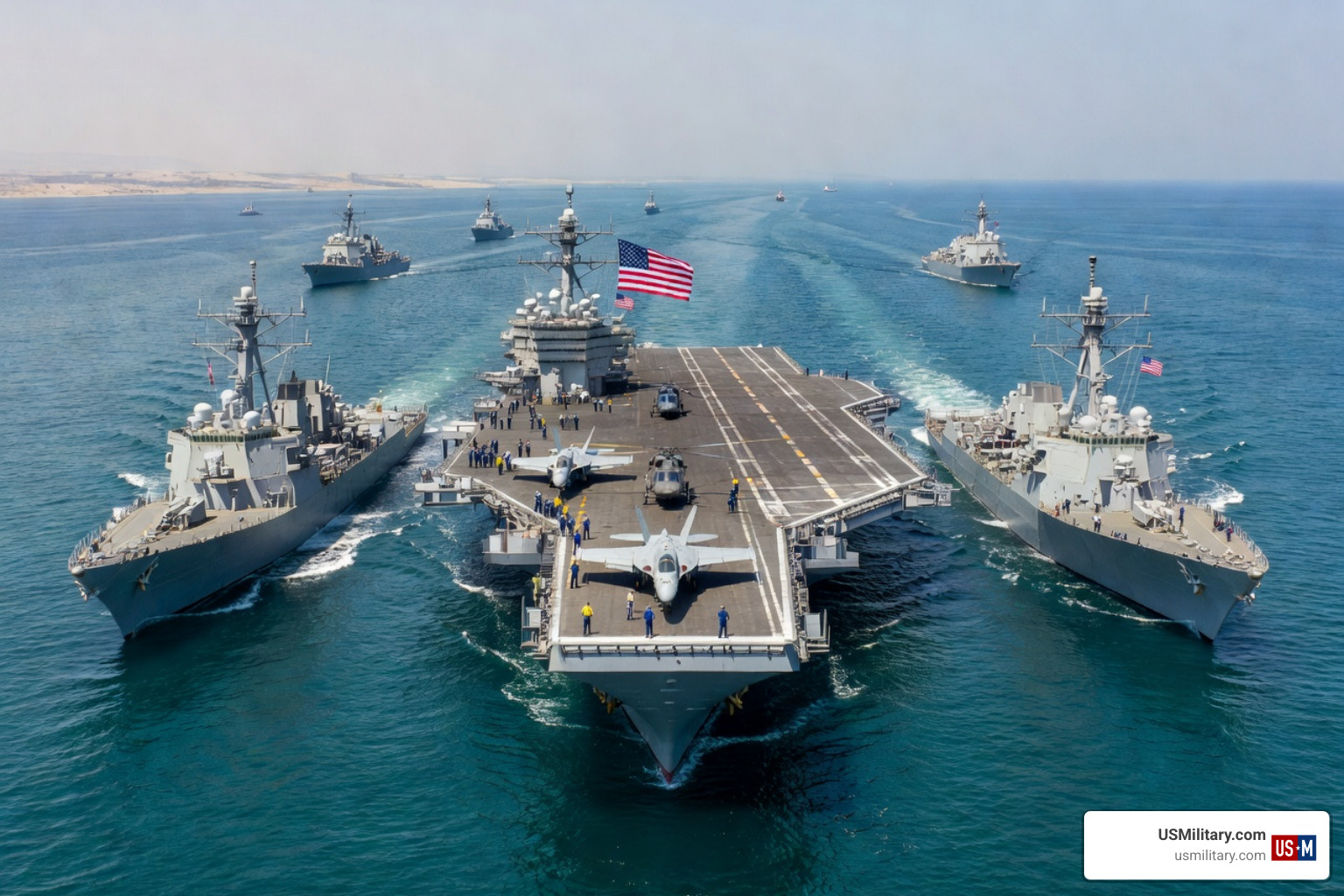
Trump Promises To Finish Off Iran With Blockade of Strait of Hormuz — and the stakes couldn’t be higher for global energy, military operations, and everyday Americans at the gas pump.
Here’s what you need to know right now:
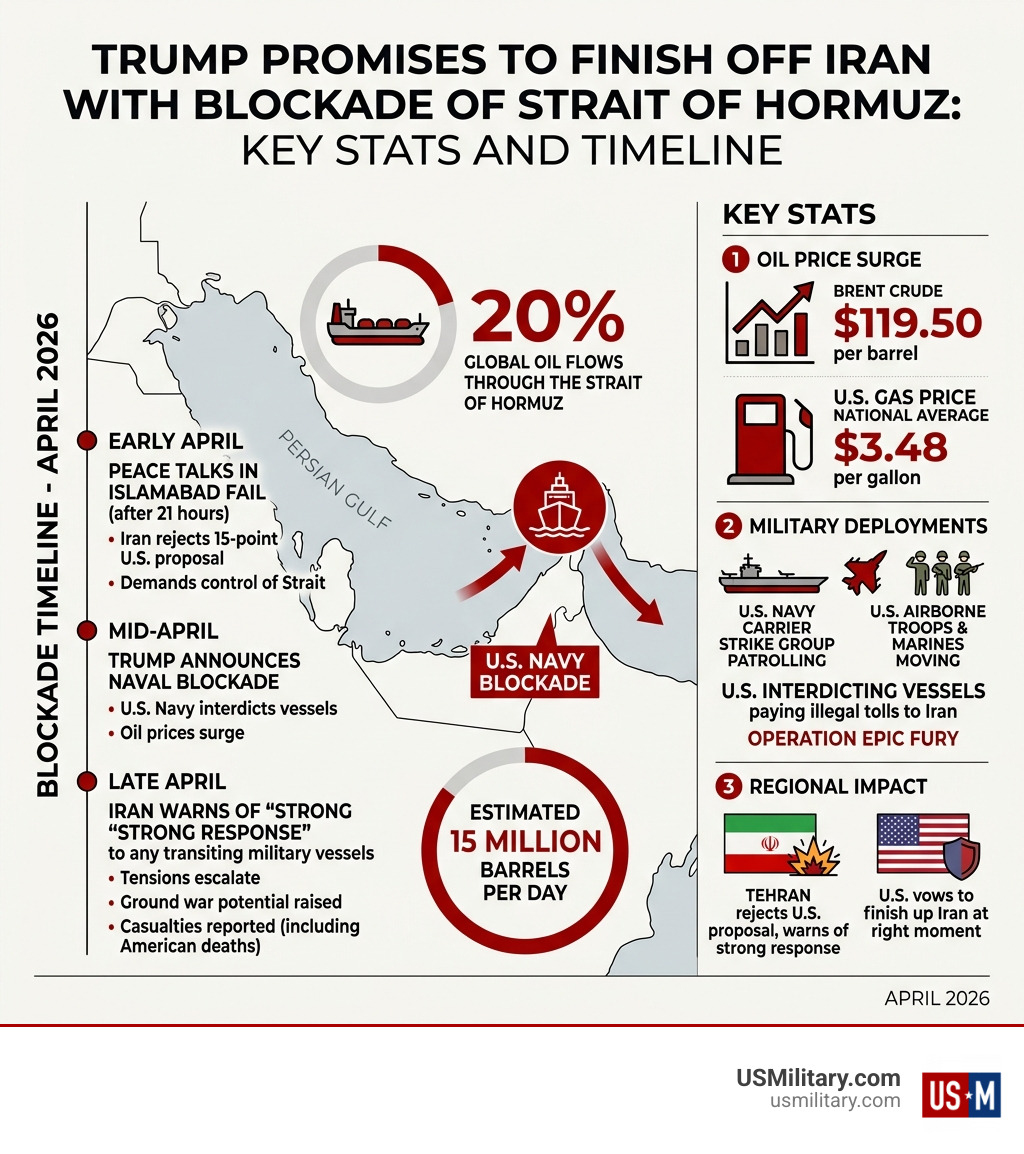
- What happened: After 21 hours of failed peace talks in Islamabad, Trump announced the U.S. Navy would blockade the Strait of Hormuz and interdict any vessels that paid illegal transit tolls to Iran.
- Why it matters: The Strait carries roughly 20% of the world’s oil supply — about 15 million barrels per day. A full blockade would send shockwaves through global energy markets.
- Where oil prices stand: Brent crude has already surged to $119.50 per barrel, up from around $70 before the conflict began. U.S. gas prices hit a national average of $3.48 per gallon.
- Iran’s position: Tehran rejected the U.S. 15-point proposal, demanded reparations and control of the Strait, and warned that any military vessels attempting to transit would face a “strong response.”
- Trump’s warning: He called Iran’s toll-collecting scheme “world extortion” and vowed the U.S. could “finish up” Iran at the right moment.
The situation is moving fast, and the consequences — military, economic, and geopolitical — are still unfolding as of April 2026.
I’m Larry Fowler, publisher of USMilitary.com and a longtime advocate for active-duty service members and veterans. I’ve been tracking U.S. military operations and policy for nearly two decades, and the story of how Trump Promises To Finish Off Iran With Blockade of Strait of Hormuz is one of the most consequential military developments I’ve covered in that time. Read on for a full breakdown of what’s happening, what it means for U.S. forces, and what could come next.
Trump Promises To Finish Off Iran With Blockade of Strait of Hormuz basics:
- Trump Announces Naval Blockade Strait of Hormuz
- Latest Update Operation Epic Fury Including Three American Deaths
- US moves airborne troops, Marines as Iran rejects ceasefire, raising ground war potential
The Collapse of the Islamabad Peace Talks
The hope for a diplomatic exit from the current conflict evaporated in April 2026 after a marathon 21-hour negotiation session in Islamabad, Pakistan. Despite the high stakes, the delegations left without an agreement, signaling a dangerous new phase in the war. Vice President JD Vance was clear about the outcome, stating that the U.S. had presented its “final and best offer” and that Iran “chose not to accept our terms.”
The primary sticking point remains the U.S. “red lines” regarding Iran’s nuclear program. We have demanded an absolute, verified commitment that Tehran will never pursue nuclear weapons or the technology to build them quickly. Iran, however, brought a list of demands that the U.S. administration characterized as “excessive and unreasonable.” These included:
- Full control over the Strait of Hormuz.
- Massive war reparations for damages sustained since the conflict began on February 28.
- The release of all frozen Iranian assets worldwide.
- An immediate ceasefire in Lebanon.
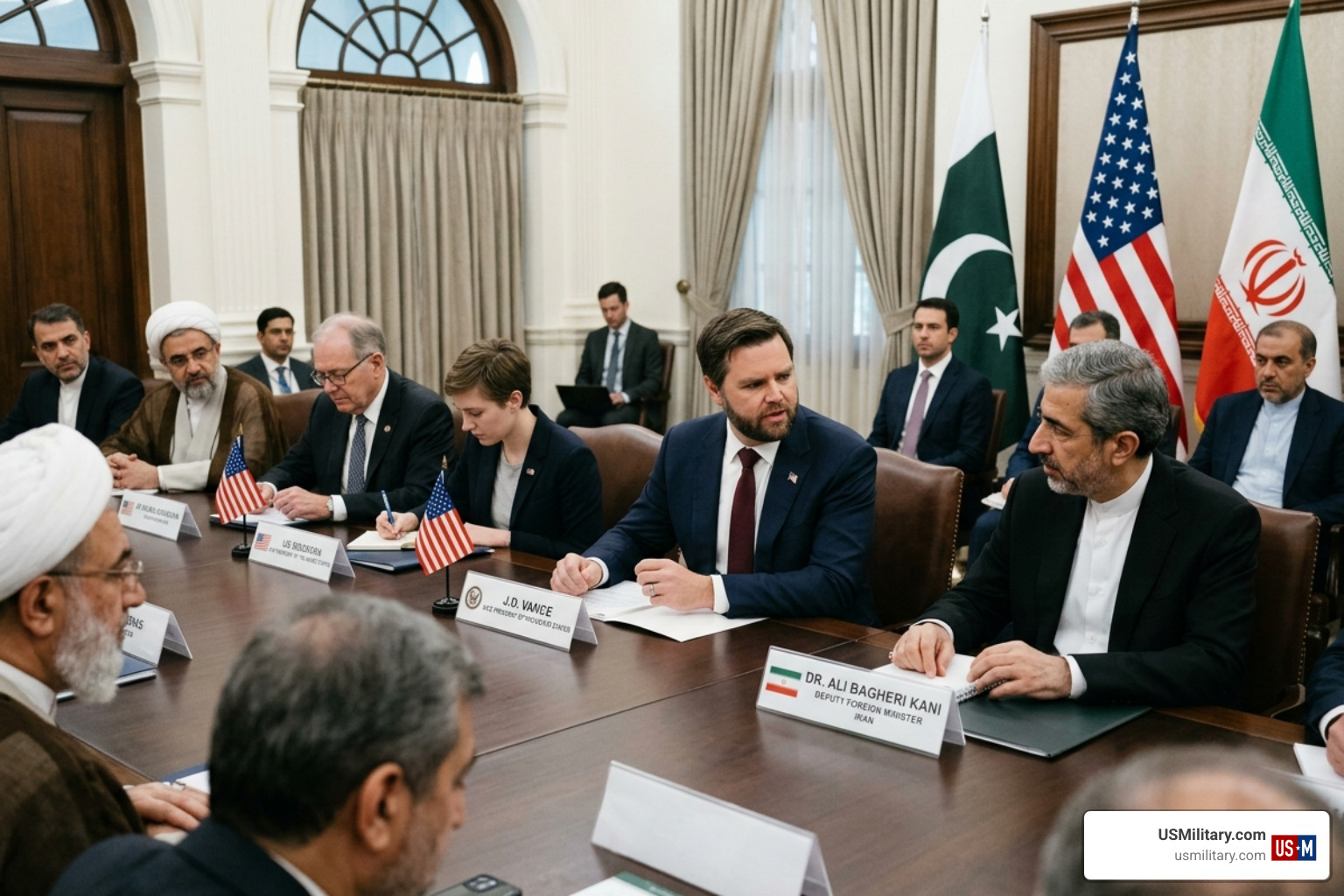
Trump described the Iranian attempt to charge “transit fees” or tolls to commercial ships in the Strait as “world extortion.” Following the collapse of the 15-point proposal, the President shifted his tone from negotiation to total pressure. According to reports, Trump vows no cease-fire with Iran, predicts Strait of Hormuz may ‘open itself’, suggesting that the sheer weight of U.S. military dominance would eventually force the waterway open without the need for diplomatic concessions.
Trump Promises To Finish Off Iran With Blockade of Strait of Hormuz
With diplomacy off the table, the strategy has shifted to what many are calling the “Hormuz Trump Card.” The President has announced a formal U.S. naval blockade of the Strait of Hormuz. This isn’t just about stopping Iranian ships; it’s a proactive mission to interdict any vessel that has paid illegal tolls to the Iranian regime.
Trump’s plan involves the U.S. Navy taking “complete control” of the waterway. This includes clearing mines that Iran is suspected of planting to deter commercial traffic. The President has issued a final ultimatum: either the Strait reopens to international standards, or the U.S. will target Iran’s “crown jewels”—specifically Kharg Island, which handles 90% of Iran’s oil exports.
We’ve seen this kind of rhetoric before, but the current military posture suggests it’s more than just talk. Trump has warned of “Death, Fire, and Fury” if the blockade is challenged, threatening to hit Iran “20 times harder” than any previous strike. For those wondering about the next steps, the question of Will Us Military Strike Iran has been answered with a resounding “yes,” as the focus moves toward “Stone Age” strikes aimed at power plants, oil wells, and desalination facilities.
Military Strategy: How Trump Promises To Finish Off Iran With Blockade of Strait of Hormuz
The military reality on the ground—and in the air—is staggering. In the first week of operations alone, the U.S. military struck more than 3,000 Iranian targets. The strategy is currently centered on airpower and stand-off capabilities rather than a massive ground invasion. Trump has asserted that the Iranian military is “finished” in a conventional sense, claiming they have no navy, air force, or functioning long-range communications left.
However, the Pentagon’s messaging has been slightly more cautious. While Trump says “the war is very complete,” and he’s considering taking over Strait of Hormuz – CBS Detroit, the Department of Defense has released statements reminding the public that “We Have Only Just Begun to Fight.”
Key military movements include:
- Naval Presence: The USS Boxer and USS Tripoli, carrying thousands of Marines, are positioned for potential coastal operations.
- War Powers Resolution: A 60-day clock is ticking for congressional authorization, though the administration argues the “rapid gains” make a prolonged conflict unlikely.
- IRGC Response: The Islamic Revolutionary Guard Corps (IRGC) has warned that any attempt to transit the Strait will face a “strong response,” though their capabilities have been significantly degraded.
Economic Fallout: Why Trump Promises To Finish Off Iran With Blockade of Strait of Hormuz
The economic impact of Trump Promises To Finish Off Iran With Blockade of Strait of Hormuz is being felt by every American. The Strait of Hormuz is a global choke point, and its closure has triggered the largest oil supply shock in history—even greater than the crises of 1973 and 1979.
Before the war, Brent crude sat comfortably around $70 per barrel. Since the disruptions began, it has spiked as high as $119.50. While Trump’s comments about the war being “complete” caused a temporary 13.7% drop in U.S. benchmark crude, prices remain volatile and significantly above pre-war levels.
| Metric | Pre-War Level | Current Level (April 2026) |
|---|---|---|
| Brent Crude Oil (per barrel) | ~$70.00 | $119.50 |
| U.S. Gasoline (national avg) | ~$2.98 | $3.48 |
| Daily Oil Flow through Hormuz | 15 Million Barrels | Near Zero (Commercial) |
| Insurance Premiums | Standard | Surging/Force Majeure |
The halt in shipping has forced some tankers to engage in “dark transits,” disabling their AIS (Automatic Identification System) to avoid detection while trying to capture high freight premiums. However, with the U.S. Navy now moving to interdict vessels, the “business as usual” approach for rogue shippers is coming to an end.
Regional Escalation and International Reaction
The conflict is not contained to Iran alone. The broader Middle East is in turmoil. In Lebanon, Israeli strikes targeting Hezbollah have killed at least 2,020 people and wounded over 6,000 since March 2. Air raid sirens are a daily occurrence in Israeli border villages as rocket fire continues.
Meanwhile, in Israel, Prime Minister Benjamin Netanyahu faces domestic pressure and legal challenges, even as he coordinates closely with the U.S. on military strikes. Trump has positioned Israel as the “leader” of any potential final strike on Iran’s nuclear facilities, emphasizing that the U.S. will provide the necessary support to ensure Tehran never acquires a weapon.
International reactions have been mixed:
- NATO: Many allies have shown reluctance to join a full-scale blockade, leading to criticism from the Trump administration.
- G7: Member nations have opted against releasing strategic oil reserves so far, despite the price surges.
- Iran’s Leadership: Amid the strikes, Iran announced Ayatollah Mojtaba Khamenei as the new Supreme Leader, signaling a defiant stance even as their infrastructure crumbles.
- Regional Strikes: Houthi rebels and Iranian-backed groups have struck targets as far as Kuwait, hitting a power plant and killing a worker, further straining regional stability.
Frequently Asked Questions about the Iran Blockade
What is the current status of the Strait of Hormuz?
As of April 2026, commercial shipping through the Strait has effectively ground to a halt. Iran has attempted to implement a blockade and collect “transit fees,” leading to a 33% decrease in traffic. The U.S. Navy is now moving in to clear mines and take “complete control” of the waterway to ensure international passage, though risks remain extremely high due to potential IRGC “suicide boat” attacks and hidden mines.
What are the primary US demands for a ceasefire?
The U.S. has laid out a 15-point proposal, but the non-negotiable “red lines” include the total cessation of Iran’s nuclear enrichment program and verified disarmament. Additionally, the U.S. demands the permanent reopening of the Strait of Hormuz without Iranian interference or illegal tolls, and an end to Iranian-backed strikes in Lebanon, Gaza, and Yemen.
How has the conflict impacted global oil prices?
Oil prices have surged by nearly 60% since the start of the conflict. Brent crude reached $119.50 per barrel, and U.S. gasoline prices have jumped 50 cents in a single week to a national average of $3.48. Experts warn that as many as 12 million barrels per day remain at risk if the blockade continues, which could push prices even higher if strategic reserves are not released.
Conclusion
The situation in the Persian Gulf is a stark reminder of the sacrifices made by our service members. With seven Americans having already died in combat during this conflict, the stakes are deeply personal for the military community. As Trump Promises To Finish Off Iran With Blockade of Strait of Hormuz, we will continue to monitor the impact on our troops and their families.
At USMilitary.com, we are dedicated to providing the most up-to-date information for veterans and active-duty personnel. Whether you are looking for Navy Jobs to be part of the next generation of sailors or you need guidance on your VA benefits, we are here to serve as your central hub. For those seeking inspiration during these trying times, we also recommend resources like Dare to Live Greatly, which offers strength and perspective for the challenges ahead.
Stay tuned to USMilitary.com for further updates on the Iran conflict and all news affecting the American military community.