
Why Every Soldier Needs an Army Financial Advisor
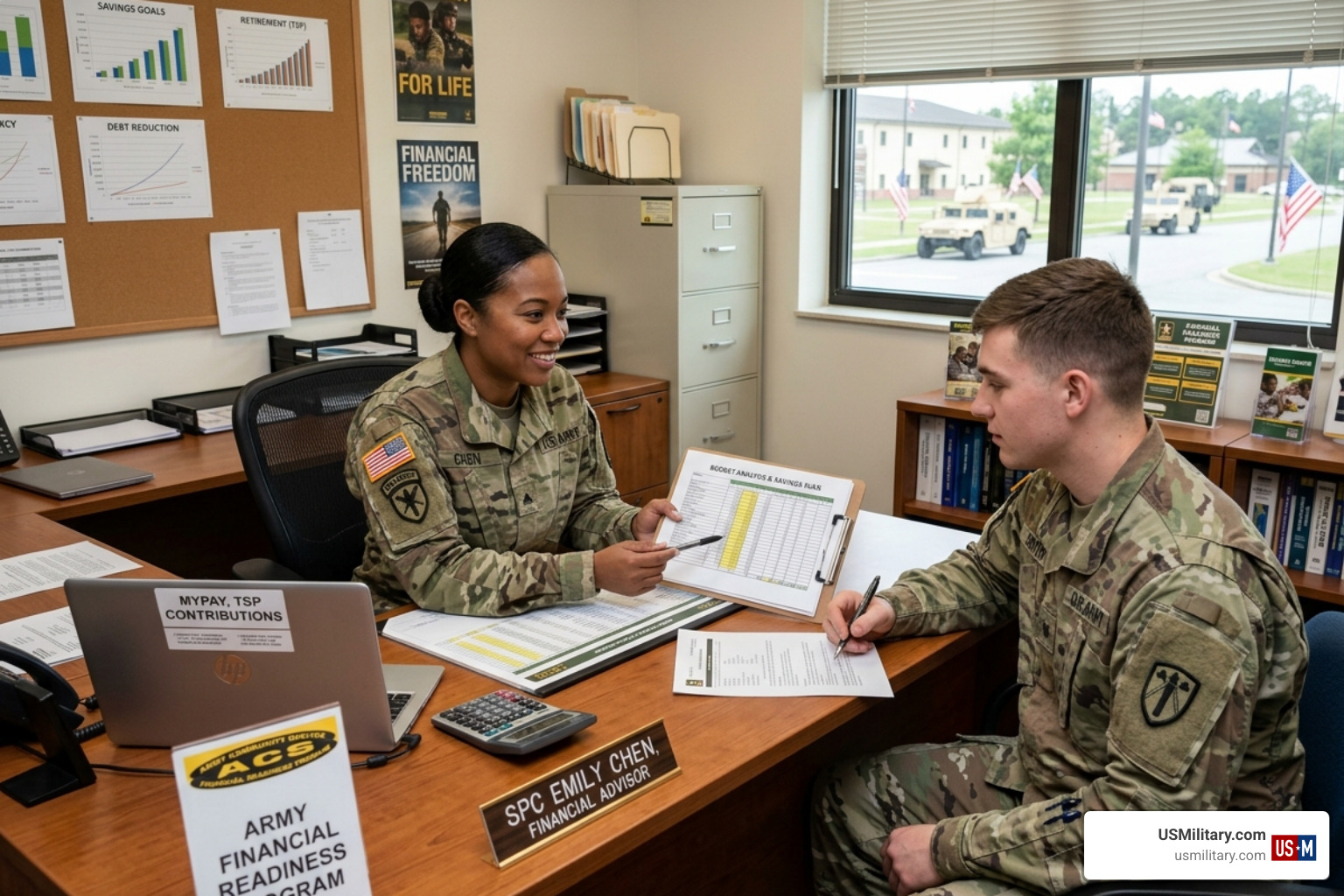
Army financial advisors are free, trained counselors available at every U.S. Army installation — and most Soldiers don’t know they exist.
Here’s a quick summary of what they offer:
- Who they help: Active duty Soldiers, Army Reserve, National Guard, retirees, DA Civilians, and family members
- What they do: Budgeting, debt management, credit repair, retirement planning, and consumer protection
- Where to find them: Army Community Service (ACS) centers on base, online at FinancialFrontline.org, or through Military OneSource at 800-342-9647
- What it costs: Completely free — no commissions, no product sales, no strings attached
Money stress is one of the biggest challenges military families face. Frequent moves, deployments, and shifting pay can make it hard to stay financially stable. Yet many Soldiers never take advantage of the Army’s own financial support system — a network of programs designed specifically for military life, from enlistment all the way through retirement.
The Army’s Financial Readiness Program (FRP) is the backbone of that system. It offers one-on-one counseling, classroom training, and online tools built around the realities of military pay, benefits, and transitions. Whether you’re a junior enlisted Soldier building your first budget or a senior NCO planning for retirement, there’s a resource available to you — at no cost.
I’m Larry Fowler, publisher of USMilitary.com since 2007, and I’ve spent nearly two decades connecting service members and veterans with reliable information on topics like Army financial advisors, VA benefits, and military career resources. In this guide, I’ll walk you through how to use every tool the Army puts at your disposal.
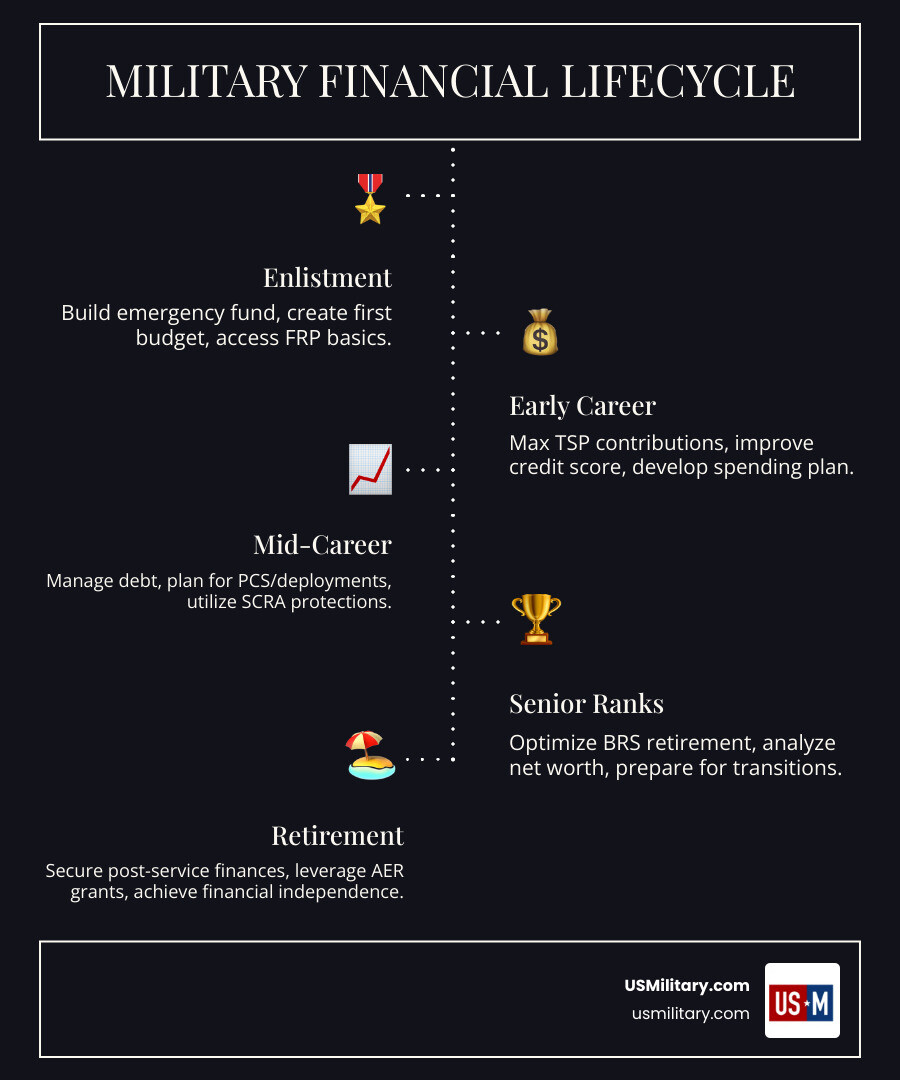
Essential Army financial advisor terms:
Understanding the Army Financial Readiness Program (FRP)
The Financial Readiness Program (FRP)) is more than just a place to go when you’re broke. It is a comprehensive educational platform integrated into the Army Community Service (ACS) at every installation. Think of it as your tactical operations center for personal wealth.
As of April 2026, the FRP remains the primary vehicle for ensuring that Soldiers are mission-ready on the home front. The program utilizes a mix of classroom training and individual counseling to cover the full spectrum of financial literacy. Because the Army knows that financial health is tied to mission focus, certain training is actually mandatory. For instance, junior enlisted Soldiers (E-4 and below) are required to receive financial training prior to their initial Permanent Change of Station (PCS) move. Additionally, personnel who have struggled with check-cashing abuse or other financial red flags are directed to these resources to get back on track.
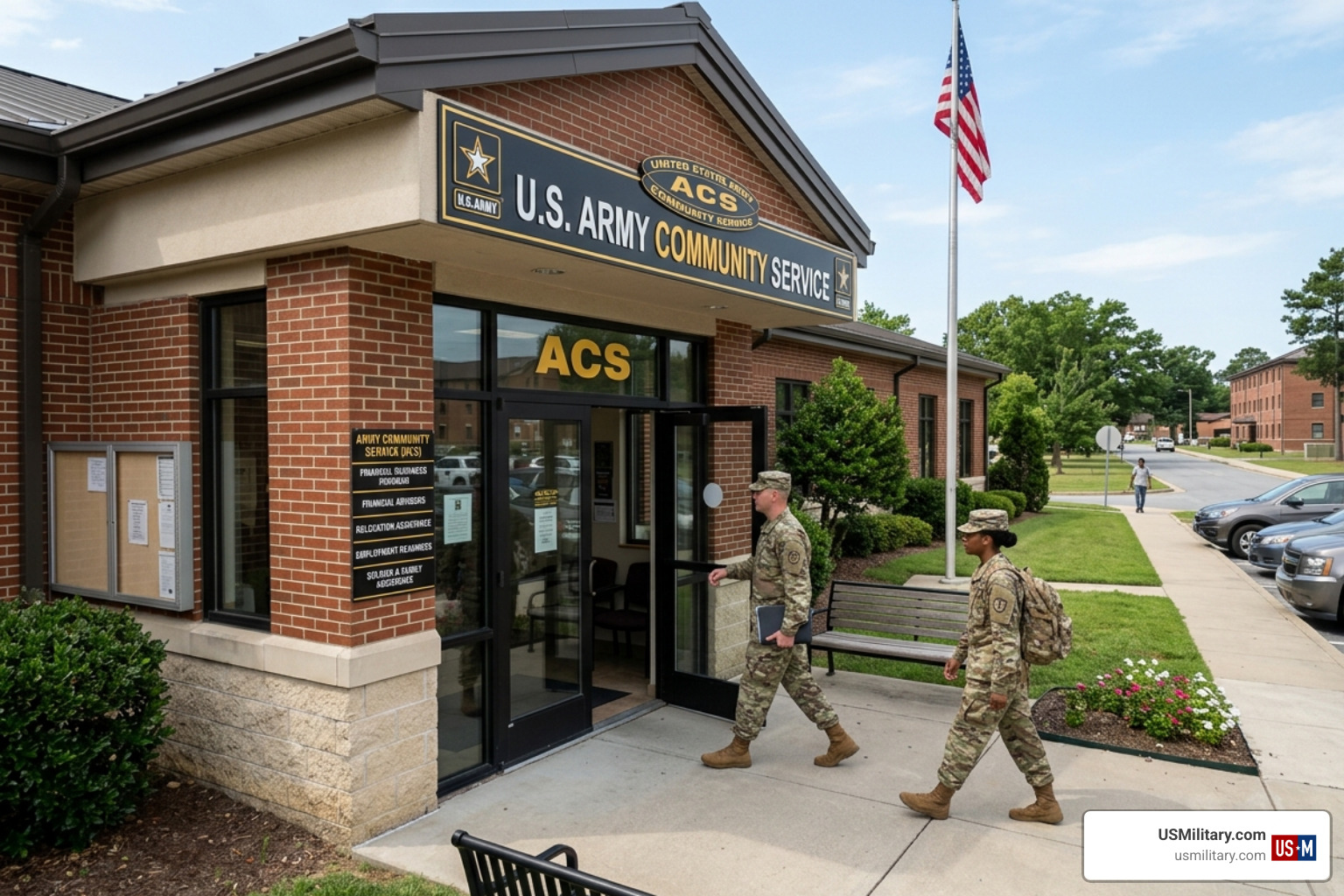
The beauty of the FRP is its accessibility. Whether you are stationed at a massive hub like Fort Liberty or a smaller post, the Financial Readiness Program at Fort Riley and other locations provides a standardized, high-quality level of care. If you can’t make it to an office, the Army partners with non-profit organizations to provide robust online resources, ensuring that geographically separated Soldiers and those on deployment are never left behind.
Key Services Provided by an Army Financial Advisor
When you sit down with an Army financial advisor, you aren’t just getting generic advice. You are getting a tailored plan built around your Leave and Earnings Statement (LES). These advisors act as educators and advocates, helping you navigate the unique complexities of military compensation.
One of the first things an advisor will do is help you with budget development. We all know that “winging it” with your paycheck usually ends with a zero balance before the next 1st or 15th. Advisors use professional tools to analyze your assets and liabilities, helping you create a viable spending plan. They can also assist with:
- Debt Liquidation: If you’ve found yourself in a hole, an advisor can help you develop a repayment plan and even notify your creditors that you are enrolled in a debt management program.
- Net Worth Analysis: Understanding your total financial picture, including investments, savings, and debts.
- Consumer Advocacy: If you’ve been treated unfairly by a business, advisors can help you draft complaint letters and coordinate with legal assistance or the Inspector General.
There are many success stories of financial counselors helping service members turn their lives around. For example, some Soldiers have reported increasing their credit scores by 75 points or more in just a few months by following the specific techniques taught in ACS workshops. For a deeper dive into what you’re entitled to, check out our guide on enlisted financial benefits.
Improving Your Credit Score with an Army Financial Advisor
In the civilian world, your credit score is your reputation. In the military, it can affect your security clearance. An Army financial advisor can help you understand the “FICO” range (300–850). While a score of 720 is considered average for about 50% of the U.S. population, you really want to aim for the “elite” status of 760 to 850. This is where you get the most competitive interest rates on car loans and mortgages.
Advisors can help you pull your free credit reports and, more importantly, show you how to dispute errors. They also work with you on your debt-to-income ratio, ensuring that your monthly payments aren’t eating up too much of your take-home pay.
Planning for Retirement with an Army Financial Advisor
Retirement planning in the Army has changed significantly with the introduction of the Blended Retirement System (BRS). As we look at the landscape in April 2026, most Soldiers are now under the BRS, which combines a traditional pension with the Thrift Savings Plan (TSP).
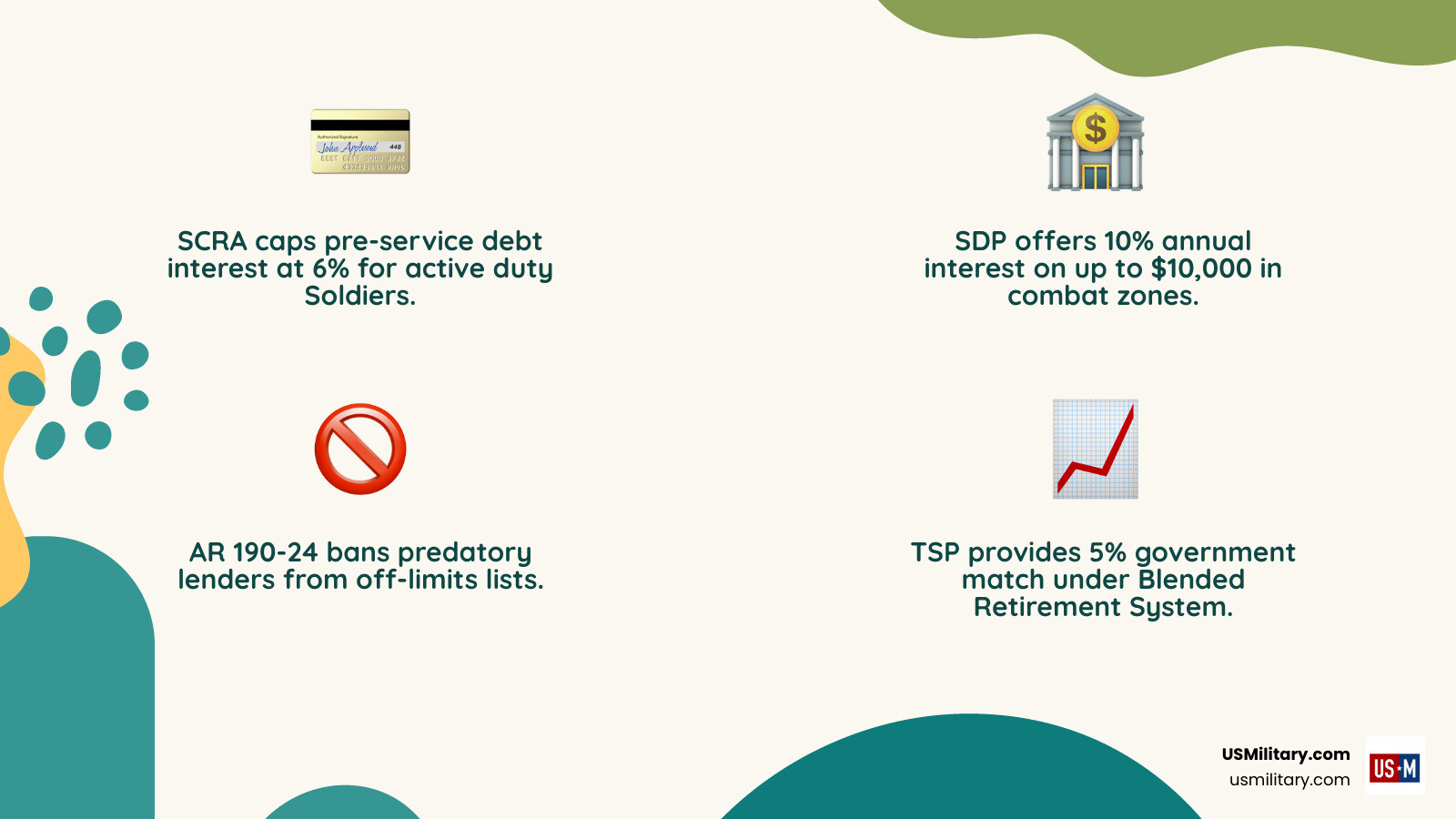
Your Army financial advisor is an expert on the TSP, which is essentially the military version of a 401(k). They can explain the difference between traditional and Roth contributions and help you understand the power of compound interest. By starting early and maximizing the government’s 5% match, even a junior Soldier can build a significant nest egg over a 20-year career.
Navigating Military Benefits and Consumer Protections
One of the biggest advantages of being in the Army is the suite of legal protections and high-yield savings programs available to you. Your financial advisor is your guide to these “hidden” perks.
- Servicemembers Civil Relief Act (SCRA): This is a powerhouse of a law. It allows you to cap interest rates at 6% on any debt you incurred before entering active duty. It also provides protections against eviction and allows you to terminate cell phone or lease contracts early if you receive PCS or deployment orders.
- Savings Deposit Program (SDP): If you are deployed to a designated combat zone, you can participate in the SDP. This program allows you to deposit up to $10,000 of your pay and earn a staggering 10% interest annually. That is a return you simply won’t find at a local bank.
Advisors also help protect you from predatory lending. Under AR 190-24, the military has the authority to put businesses that employ unfair practices on an “off-limits” list. If you feel you’ve been targeted by a “buy here, pay here” car lot or a high-interest payday lender, your advisor is your first line of defense. For those in the Guard, there are specific National Guard financial counseling resources available to help bridge the gap between civilian and military life.
Managing Life Transitions and Emergency Support
The military life is defined by change. Whether it’s a PCS move to an OCONUS (overseas) location or a sudden deployment, these transitions can be expensive. For example, moving to South Korea or Germany often involves higher consumer prices than in the States. An Army financial advisor can help you build a “transition fund” to cover those unexpected costs that the government travel card doesn’t always handle.
When a true emergency strikes — like a family medical crisis or a natural disaster — the Army has its own safety net: Army Emergency Relief (AER). Since 1942, AER has supported over 4 million Soldiers with zero-interest loans and grants.

AER is a private non-profit that works hand-in-hand with the FRP. If you need assistance, you’ll often meet with a financial counselor first to ensure that a loan is the right solution and to build a budget that prevents the crisis from happening again. From Fort Carson’s counseling services to any other post worldwide, these resources provide food assistance, emergency travel funds, and even help with essential car repairs.
How to Access Financial Counseling Resources
You don’t have to wait for a crisis to get help. In fact, the best time to see an army financial advisor is when things are going well, so you can make them even better.
There are several ways to access these services:
- Military OneSource: This is a 24/7 “one-stop shop” for military life. They offer free military financial counseling via phone or secure video chat. Their counselors are specifically trained in military-specific issues like combat pay and tax exemptions.
- Financial Frontline: This is the Army’s official self-service portal. You can take a “Financial Well-Being Score” test to see how you stack up and access educational videos on everything from car buying to the BRS.
- Personal Financial Counselors (PFC): These are often contractors who work within ACS or with National Guard and Reserve units. Their services are private, confidential, and specifically designed to be mobile.
- Local ACS Offices: Simply walk into your local Army Community Service center. They have dedicated staff ready to sit down with you for a one-on-one session.
Frequently Asked Questions about Army Financial Readiness
Who is eligible for the Army Financial Readiness Program?
The program is incredibly inclusive. It is available to Active Duty Soldiers, members of the Army Reserve and National Guard, Army Retirees, and their authorized family members. Department of the Army (DA) Civilians are also eligible for many of these services.
Is there a cost to meet with an Army financial advisor?
No. These services are a government-funded benefit. Unlike many civilian advisors, Army financial advisor professionals do not work on commission; they do not sell insurance, and they won’t try to move your money into specific mutual funds. Their only goal is your financial readiness.
How does FRP differ from private financial services?
While various private financial institutions offer specialized services for military families, the FRP is a non-profit, installation-based program with a fiduciary focus on the Soldier’s well-being. Private advisors may offer products like life insurance or managed investment accounts, whereas an Army counselor focuses purely on education, advocacy, and utilizing your earned military benefits. Both can be useful, but the FRP should always be your first stop because it is free and unbiased.
Conclusion
At USMilitary.com, we believe that financial readiness is a key component of overall lethality. You can’t focus on the range or the motor pool if you’re worried about your car being repossessed or how you’ll pay for your child’s college.
The Army financial advisor network is one of the most underutilized benefits in the military. As we move through April 2026, the tools available to you — from the TSP to AER grants — are more robust than ever. Take the time to visit your local ACS or log into Military OneSource today. Building long-term wealth starts with a single conversation.
For more information on maximizing your career and your paycheck, access our comprehensive military resources and stay informed on the latest updates affecting your bottom line.