
How Congress Could Shape Army Recruiting in 2027
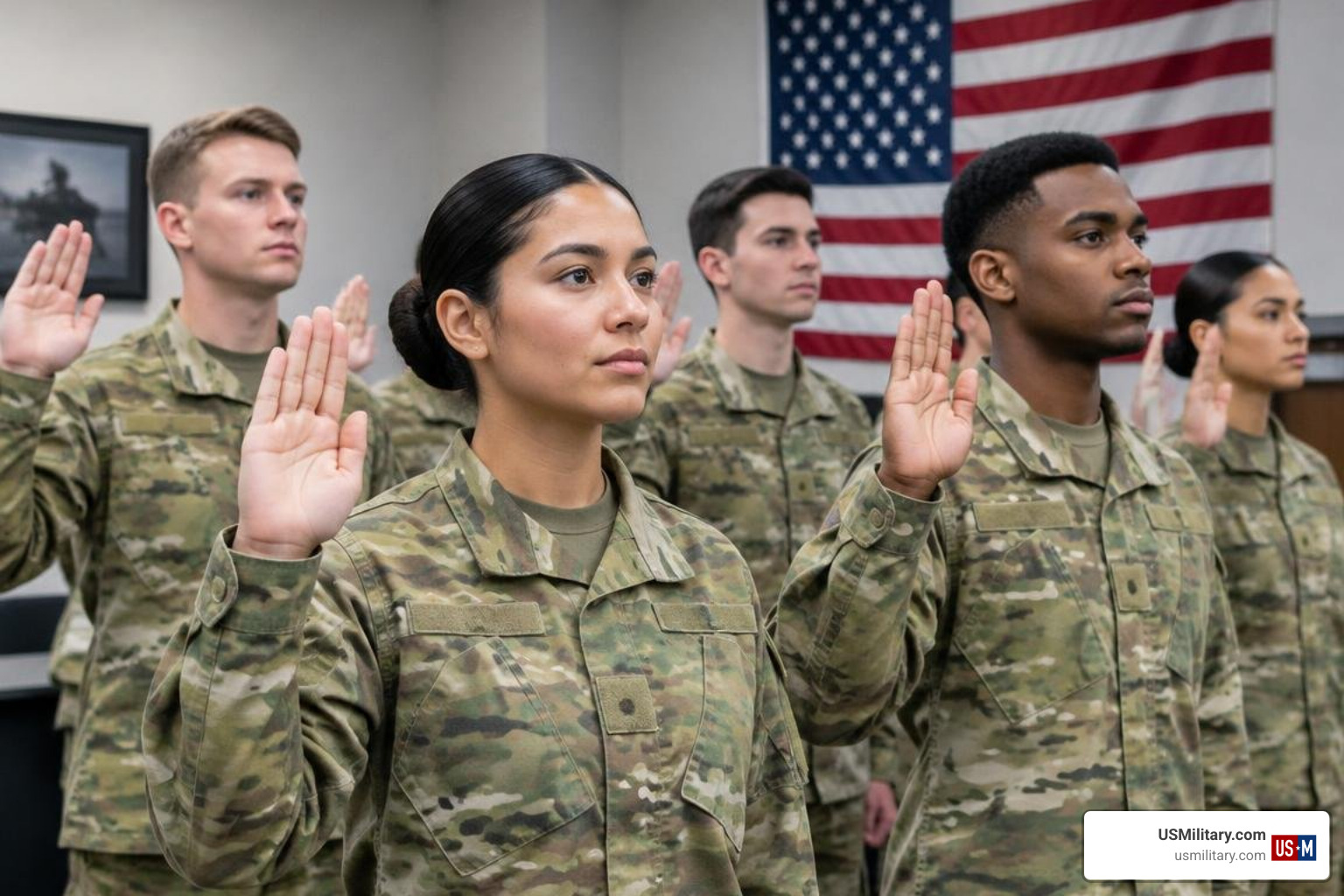
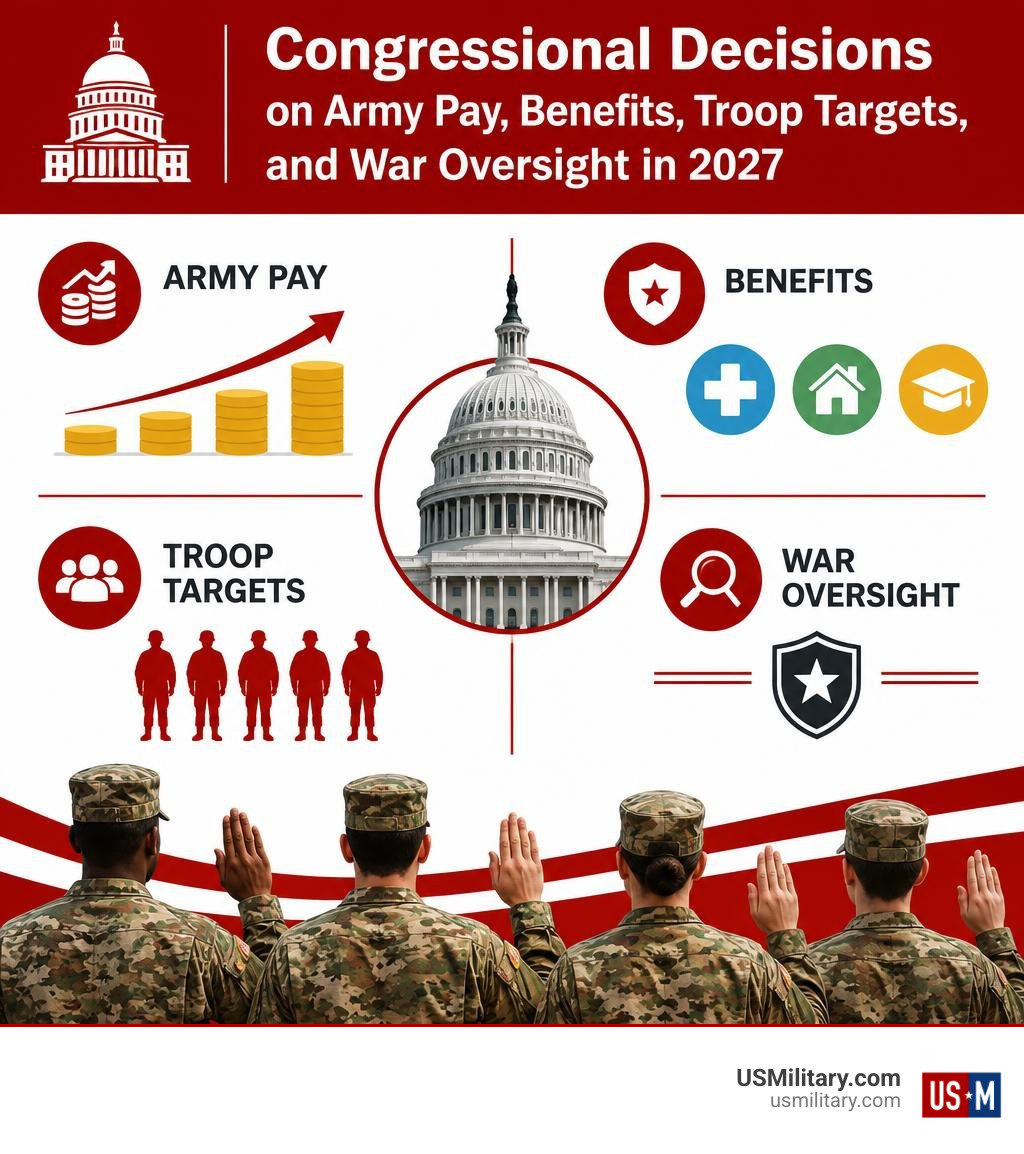
How will a Democrat Socialist Congress affect US Army recruiting in 2027? The effect is uncertain, and it will not come from party labels alone. A Democratic-led Congress could change Army pay, benefits, recruiting funds, and troop targets. Its scrutiny of the Iran war could also shape how young people weigh the risks of service. But a Democratic majority is not the same as a democratic socialist majority, and proposed policies are not law.
A proposed 5% to 7% military pay raise could help it compete for recruits, especially at junior ranks. Whether that is enough will depend on the final bill, civilian job options, and confidence in military leadership.
I’m Larry Fowler, a Navy veteran, BUD/S Class 89 graduate, and publisher of USArmy.com and USMilitary.com. In “How Will a Democrat Socialist Congress Effect US Army Recruiting in 2027,” I draw on my experience with military recruiting to look past the political labels and focus on what could change for recruits.
How Will a Democrat Socialist Congress Effect US Army Recruiting in 2027: The Legislative Landscape
Following the dramatic 2026 midterm elections, Capitol Hill shifted into divided government. Democrats captured majorities in both the House and the Senate, flipping seats in traditional strongholds and elevating a vocal progressive and democratic socialist wing. Defense policy analysts immediately sounded alarms, predicting that an anti-interventionist, labor-first majority would slash recruitment budgets and gut active-duty troop counts.
The real legislative mechanics tell a more nuanced story. Under Title 10 of the U.S. Code, Congress holds the constitutional power to “raise and support Armies” by setting annual end-strength numbers and appropriating defense funds. According to a FY2027 NDAA active component end-strength analysis, the requested active Army end-strength stands at 469,000 soldiers—an authorized increase of 15,000 personnel over enacted FY2026 levels (454,000).
As detailed in the congressional primer on active component enlisted recruiting, statutory accession targets rely on precise quality benchmarks: at least 90% of enlistees must hold traditional high school diplomas, and at least 60% must score in Categories I–IIIA on the Armed Forces Qualification Test (AFQT).

Midterm Shifts and Defense Budget Clashes
The legislative battle over national security spending reached a fever pitch during floor debates on the National Defense Authorization Act (NDAA). The House passed its version of the bill by a razor-thin margin of 216–212, authorizing roughly $1.15 trillion across defense programs. The vote exposed intense partisan friction: 96.7% of Republicans voted in favor, while 97.1% of Democrats opposed it, largely due to social policy riders, budget caps, and foreign assistance stipulations.
Despite the gridlock, both parties recognize the demographic realities facing military recruiters. Lawmakers have debated reporting on automatic draft registration and recruiting tweaks aimed at modernizing the Selective Service System via federal database cross-checks. Additionally, Congress expanded authorized high school JROTC units from a cap of 3,400–4,000 up to 3,600–4,200 nationwide, ensuring recruiters maintain equal campus career access to introduce prospective enlistees to military life.
Reining in Foreign Entanglements and the War in Iran
The war in Iran and broader Middle Eastern friction sit at the center of the progressive national security platform. When examining the unfiltered reality of recruiting during the Iran conflict, historical data shows that fears of physical harm, death (62%), and PTSD (58%) consistently rank as the top deterrents for young Americans considering military service.
Progressive caucuses and party platforms—highlighted in perspectives on rising progressive influence in Congress—insist on invoking the War Powers Act and asserting the primacy of diplomacy over armed intervention. Rather than gutting the military, progressive legislative pressure to halt unilateral foreign entanglements could lower the perceived risk of open-ended combat deployments, removing a significant psychological barrier for risk-averse Gen Z recruits.
Compensation, Benefits, and the Battle for Civilian Labor
Military recruiting never happens in a vacuum. It is fundamentally tied to the strength of the civilian labor market. When entry-level wages rise and private-sector jobs are plentiful, enlistment rates face natural downward pressure. To keep pace, recruiters rely heavily on competitive compensation packages and the comprehensive guide to military benefits.
| Compensation Element | Proposed FY2027 Defense Bill (NDAA) | Progressive / Democratic Socialist Platform |
|---|---|---|
| Entry-Level Cash Pay | Tiered 7% raise for junior enlisted (E1–E5) | $20/hr federal minimum wage (~$3,466/mo gross) |
| Healthcare Coverage | 100% covered TRICARE for active-duty & dependents | Expanded ACA subsidies & Universal Healthcare |
| Higher Education Support | Post-9/11 GI Bill & $4,000/yr Tuition Assistance | Tuition-free public college & student debt cancellation |
| Basic Income / Living Stipends | Tax-free Basic Allowance for Housing (BAH) & BAS | Federal Guaranteed Income ($1,200/mo adult credit) |
Tiered Military Pay Raises Versus the $20 Minimum Wage
The House version of the FY2027 NDAA structured basic pay increases progressively: junior enlisted personnel (E1–E5) receive up to a 7% raise, mid-grade ranks (E6–O3) see 6%, and senior officers receive 5%. This targeted approach aims directly at early-career enlistment and retention challenges.
At the same time, youth platforms such as the Young Democrats of America champion a federal living wage of at least $20 an hour alongside union protections. When we conduct an objective evaluation when evaluating active duty military quality of life, an active-duty compensation package—which includes basic pay, tax-free housing allowances (BAH), free healthcare, and subsistence stipends—still outpaces entry-level civilian hourly jobs, keeping the armed forces economically competitive.
How a Democrat Socialist Congress Will Affect US Army Recruiting in 2027 Through Domestic Social Programs
The broader ideological concern raised by defense analysts is benefit dilution. Historically, young people joined the military primarily for pay (51%) and educational benefits (44%). If a progressive congressional majority expands subsidized civilian healthcare, permanently lowers state college tuition, or expands debt cancellation, does it reduce the relative appeal of the GI Bill and TRICARE?
While expanded domestic safety nets offer alternatives, they also clear away common misconceptions about enlistment incentives. Recruits who enlist when civilian alternatives exist do so out of a genuine desire for technical skill acquisition, structured leadership, and career credentials, which can lead to higher long-term retention across technical military occupational specialties.
Shifting Narratives: Progressive Oversight, Military Trust, and the “Hell Cats”
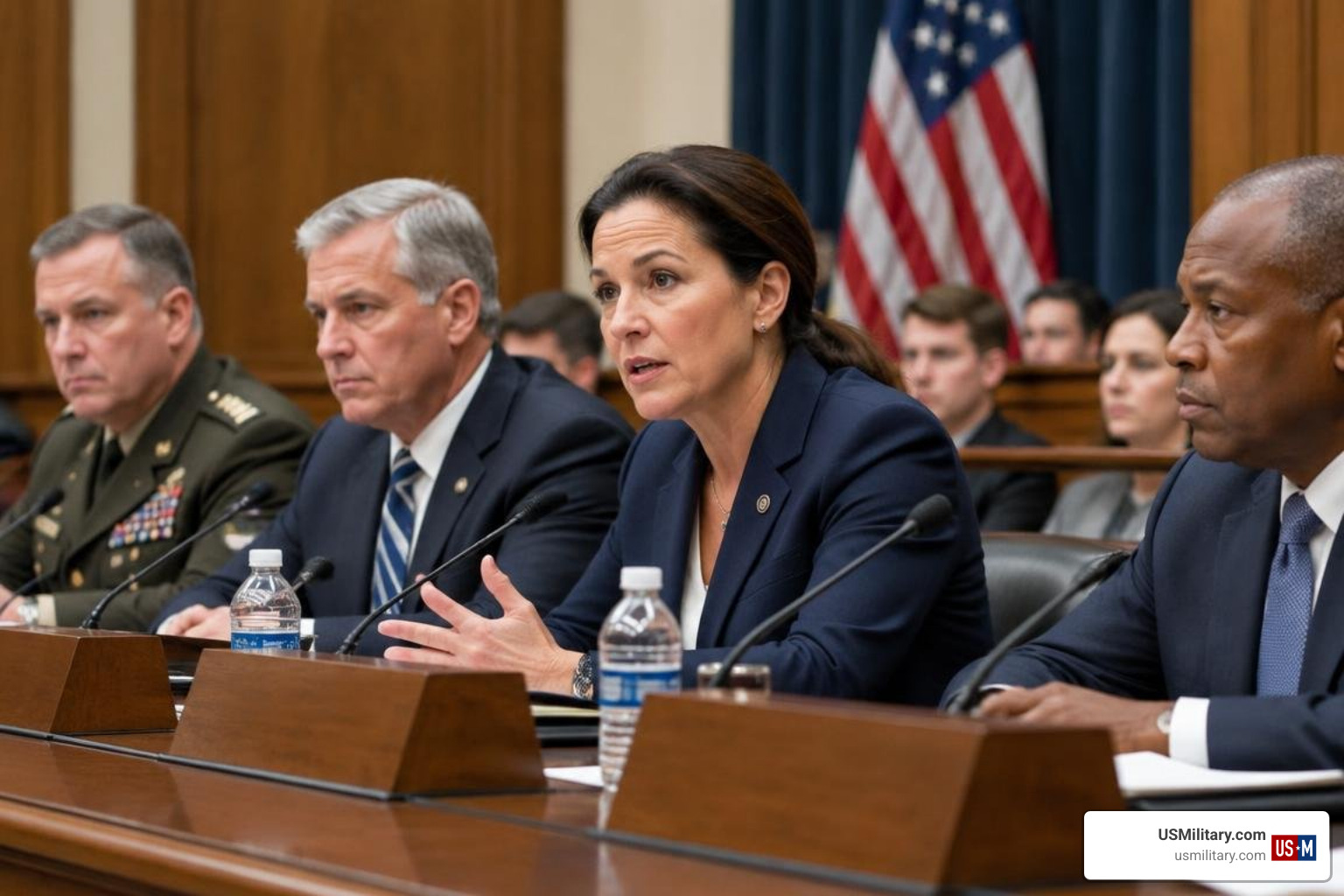
Over the past decade, partisan arguments over military culture have dominated headlines. During extensive congressional hearings on recruiting shortfalls and public trust, lawmakers sparred over whether social justice initiatives or civilian-military disconnects were driving recruiting deficits. However, institutional studies and fact-checking historical enlistment rebounds show that actual accession turnarounds in 2024 and 2025 were driven by internal training innovations, modernized applicant marketing, and structural prep courses rather than ideological rhetoric.
How Will a Democrat Socialist Congress Effect US Army Recruiting in 2027 Through Veteran Leadership and Hegseth Inquiries
A critical dynamic in the incoming 2027 Congress is the influence of moderate national-security veterans who flipped key purple districts. Termed the “Hell Cats,” these female combat veterans proved exceptionally potent on the campaign trail; data shows that Democratic veteran candidate electoral performance outperforms nonveteran peers by an average of 5.8 percentage points.
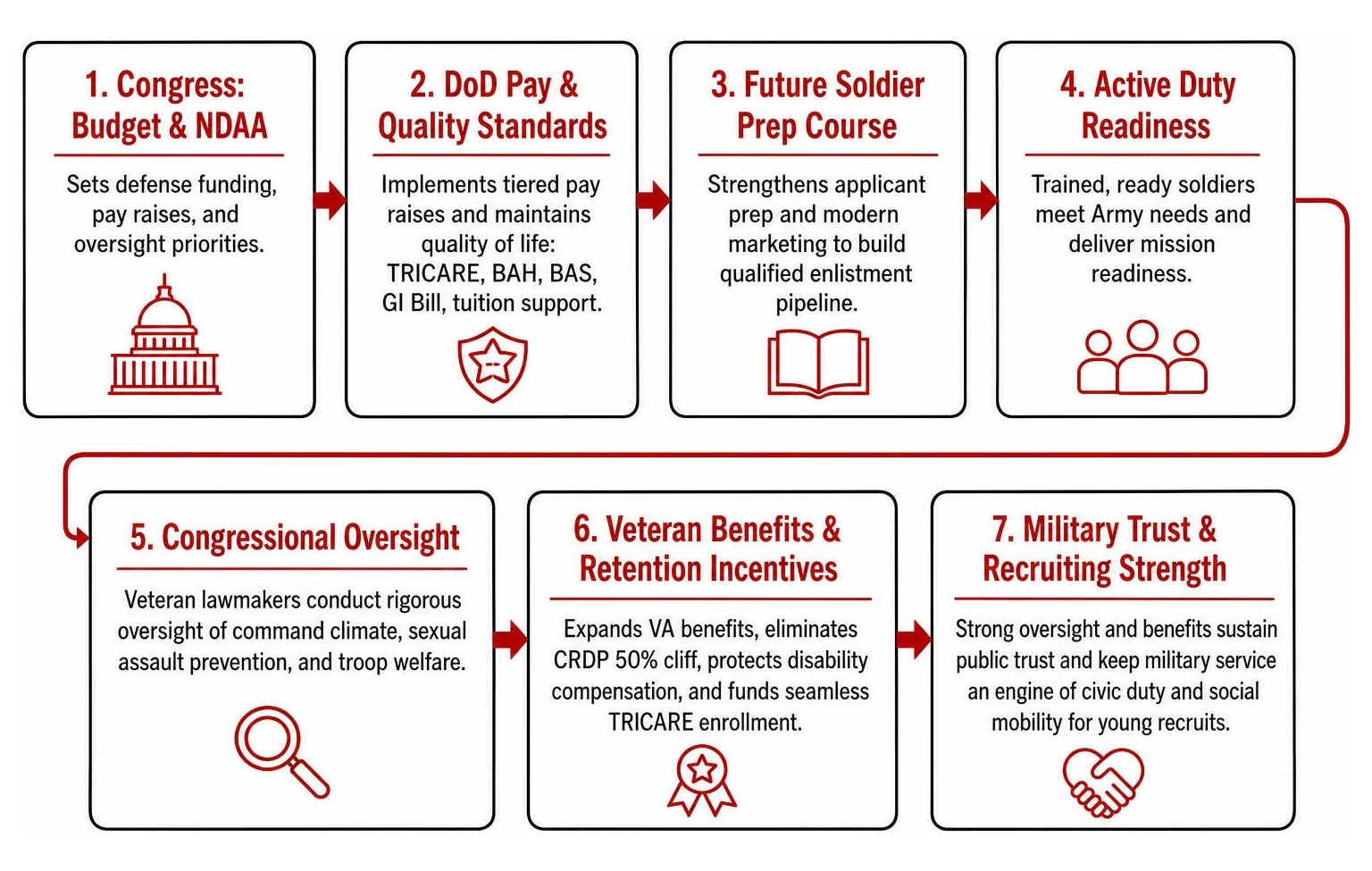
Rather than dismantling military institutions, these veteran lawmakers plan to direct rigorous oversight toward the Trump administration and Defense Secretary Pete Hegseth, focusing on command climate, sexual assault prevention, and troop welfare. Their presence helps reframe military service as an engine of civic duty and social mobility for young recruits exploring a step-by-step navigation of the Army enlistment process.
Expanding Veteran Benefits and Retention Incentives
Congressional Democrats and progressives consistently back major expansions to post-service entitlements. Key legislative priorities include eliminating the 50% disability rating cliff for Concurrent Retirement and Disability Pay (CRDP), protecting VA disability compensation against inflation, and funding seamless, two-business-day transitional TRICARE enrollment for separating soldiers.
On the training front, official Army leadership reports on recruiting turnaround and standards credit programs like the Future Soldier Preparatory Course at Fort Jackson for driving the recent accession recovery. By investing in academic and physical prep courses rather than lowering baseline enlistment standards, the Army successfully accessed thousands of recruits who otherwise needed administrative waivers.
Frequently Asked Questions About Congressional Shifts and Army Recruitment
Will a progressive Congress reduce military enlistment bonuses for 2027?
No. While progressive members scrutinize broad weapons systems procurement, both parties historically protect personnel budgets, enlistment incentives, and technical bonuses to ensure branches meet authorized active-duty end-strengths without compromising recruit quality.
How does congressional opposition to the Iran conflict impact youth enlistment propensity?
Congressional efforts to limit open-ended foreign conflicts and assert War Powers oversight directly address the top fear cited by prospective recruits: the risk of deployment to combat zones and physical injury. Clear diplomatic guardrails can make service more appealing to risk-conscious young adults.
Does a higher federal minimum wage make military pay less competitive?
While a higher civilian minimum wage increases competition for entry-level labor, the total military compensation model—which pairs base pay with non-taxable housing (BAH), free medical coverage (TRICARE), and comprehensive education assistance—remains significantly higher than entry-level private sector positions.
Conclusion
As we look toward 2027, the notion that a progressive or Democratic-led Congress will derail Army recruiting does not align with the legislative record. While debates over defense spending totals and social policy will continue, congressional support for troop compensation, expanded veterans’ healthcare, and strict oversight remains strong.
At USMilitary.com, we provide servicemembers, veterans, and prospective enlistees with unbiased information on military pay, VA benefits, and career paths across all branches. To explore your options, calculate your compensation, or connect with guidance experts, visit the USMilitary.com military recruiting portal today.