
How the Army Celebrates Thanksgiving Week at Home and Abroad
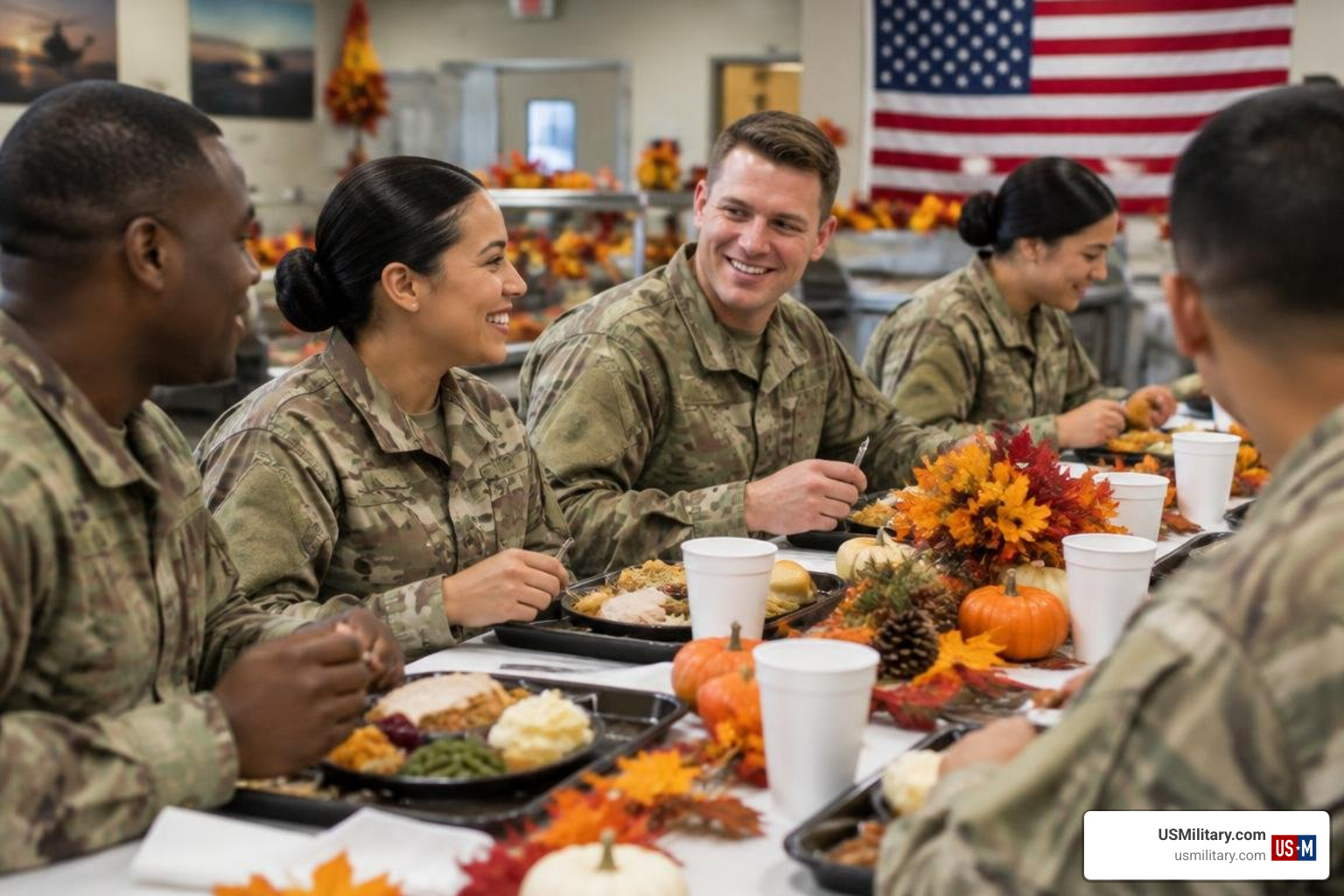
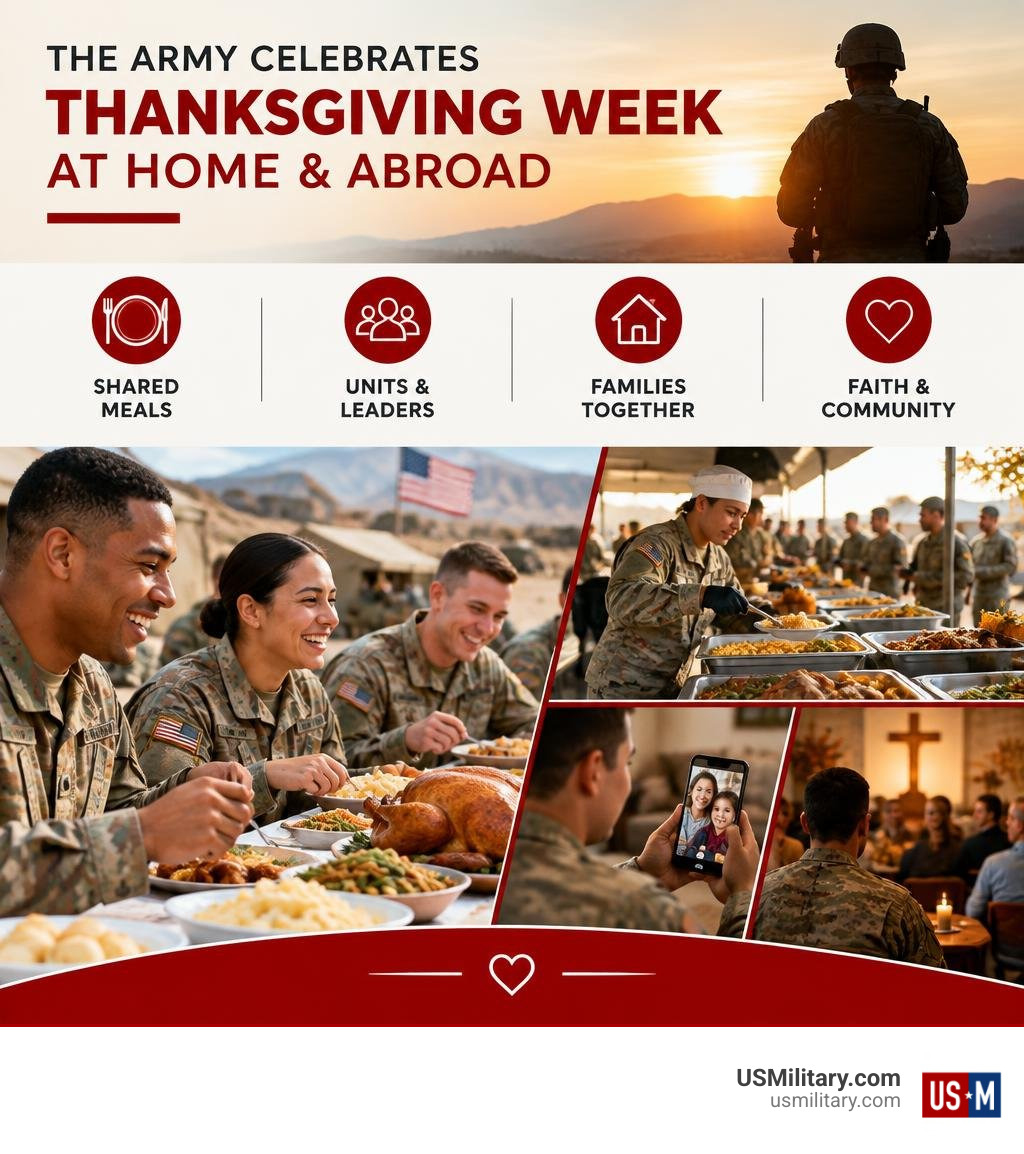
At home and abroad, the Army celebrates Thanksgiving week with shared meals, leaders serving soldiers, and events that bring units and families together. Dining facilities prepare turkey and familiar sides, while deployed cooks adapt the meal to what their location and mission allow. Turkey Bowls, potlucks, community gatherings, and optional religious services offer more ways to connect. For soldiers away from family, a meal and a chance to call home can make the week feel less lonely.
I’m Larry Fowler, a Navy veteran, BUD/S Class 89 graduate, and publisher of USArmy.com & USMilitary.com. My military background informs this look at How The Army Celebrates Thanksgiving Week Home & Abroad, including the people and planning behind those celebrations.
Similar topics to How The Army Celebrates Thanksgiving Week Home & Abroad:
- How Does The Military Celebrate Easter When Overseas
- How Massive is the US Military
- What is the Army new helicopter S-97 Raider
How The Army Celebrates Thanksgiving Week Home & Abroad
For many soldiers, Thanksgiving is a unit event as much as a family holiday. Army dining facilities, often called Army Warrior Restaurants or DFACs, serve meals to soldiers and, depending on installation rules, may also welcome military families, retirees, veterans, and other guests.
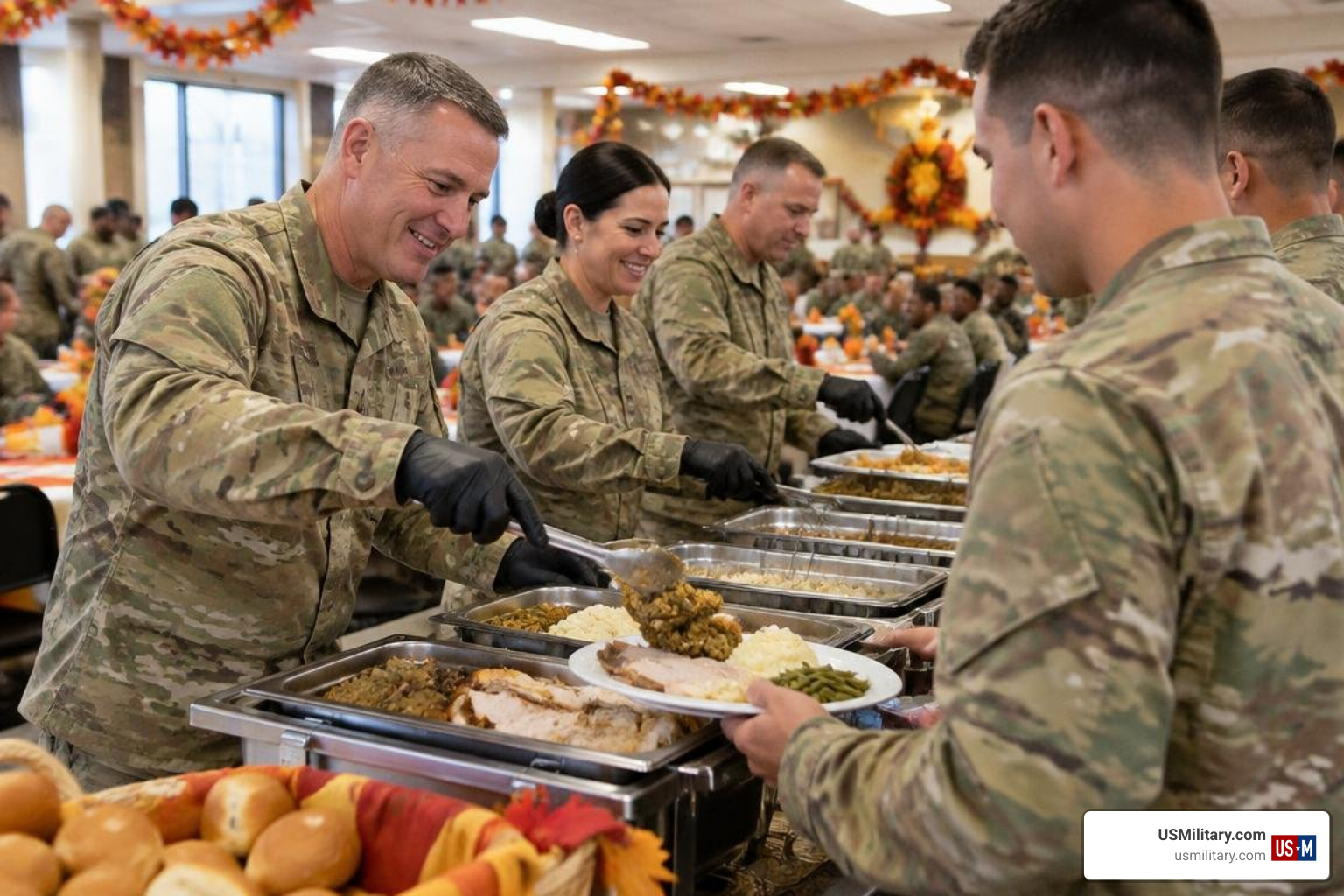
Decorations and a special menu make the dining hall feel different from an ordinary meal. The tradition of commanders and senior enlisted leaders serving food adds a personal touch: leaders step behind the line, greet soldiers, and show appreciation through a simple act of service.
How the Army celebrates Thanksgiving week at home and abroad: the home-station tradition
Home-station celebrations can bring together trainees far from home, soldiers on duty, military families, and members of the wider installation community. Fort Leonard Wood’s 2024 plans offered one example of the scale: more than 12,000 meals were planned for lunchtime celebrations and more than 28,000 throughout the day. The menu included turkey, prime rib, shrimp cocktail, ham, salmon, traditional sides, and assorted pies and cakes.
The meal is not only about quantity. Food-service teams decorate dining areas and prepare for a large rush, while senior leaders serve alongside them. Some installations also invite veterans, retirees, and Gold Star families to share the holiday meal, subject to local access and schedule requirements.
How the Army celebrates Thanksgiving week at home and abroad: deployed meals and leader visits
Deployed soldiers may celebrate in a dining hall, a field kitchen, or a temporary space set up around mission requirements. The menu and setting vary, but shared food and time with the unit help preserve familiar traditions. Commanders and senior enlisted leaders may visit dining facilities or serve meals, including at locations where service members celebrate alongside host-nation partners.
In some settings, cooks work with local counterparts or use approved local ingredients to complement the traditional menu. Field exercises can also bring a holiday meal to soldiers training away from a permanent installation. These gatherings may be simpler than a home-station feast, but the shared effort still helps build connection and gratitude.
Thanksgiving menus, food quantities and the logistics behind the meal
What troops eat and how much the Army prepares
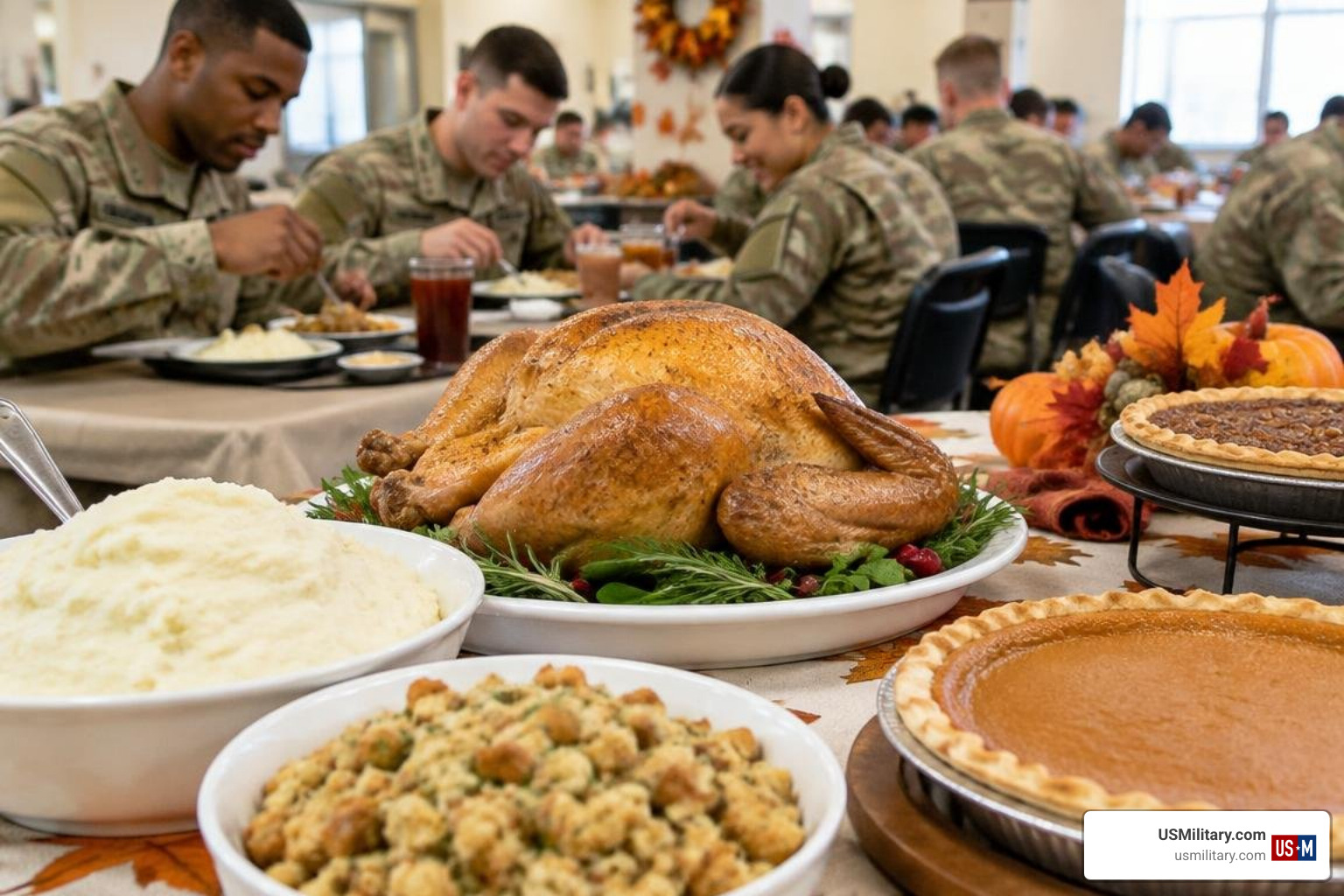
Turkey is usually the centerpiece, with familiar sides such as stuffing, mashed potatoes, sweet potatoes, gravy, vegetables, and pies. Depending on the installation and supply, meals may also include ham, beef, shrimp, macaroni and cheese, salmon, collard greens, or other regional favorites. Overseas cooks may adapt recipes to local availability and approved ingredients.
The quantities can be substantial. Fort Leonard Wood’s 2024 plans included 4,700 pounds of turkey, 4,200 pounds of shrimp cocktail, and 6,300 pounds of prime rib. Menus and totals change with the number of diners, location, and food preferences; one installation’s menu is not a standard Army-wide menu.
How food reaches deployed troops in remote or hostile locations
The Defense Logistics Agency (DLA), Army Sustainment Command, regional supply centers, vendors, and military transportation teams coordinate holiday food deliveries. Planning starts months ahead. Food may move by cargo aircraft, ship, or military vehicle, then through warehouses and distribution points before reaching dining facilities or field kitchens.
Remote locations create added challenges: long distances, limited storage, weather, security risks, and changing mission schedules can disrupt delivery windows. Units plan for safe storage and may need to hold supplies until the next opportunity to move them. If a shipment falls short, cooks can adjust the menu using locally procured and approved items.
The DLA’s Thanksgiving support for service members around the world describes the coordination behind these meals. Fort Leonard Wood’s Thanksgiving meal preparations show how an installation organizes large-scale service at home.
How Thanksgiving food shipments have changed in recent years
In 2024, roughly 690,000 pounds of holiday food were shipped for deployed service members, including whole and roasted turkey, beef, ham, and shrimp. Separate reporting described about 700,000 pounds of Thanksgiving staples served to troops in hard-to-reach locations.
For 2025, DLA figures listed 152,626 pounds of turkey, 124,022 pounds of beef, 66,054 pounds of ham, and 38,081 pounds of shrimp, along with other holiday items. In 2024, overseas shipments included 800% more sweet potatoes and roughly 80% fewer dessert cases than the year before. Those figures reflect a particular year’s orders, not a permanent change in military menus.
Thanksgiving week events, family traditions and support
Community celebrations at home and overseas
Thanksgiving week may include a Turkey Bowl, unit gatherings, volunteer events, and community meals in addition to the main holiday dinner. Families and single service members can organize potlucks, while installation activities offer ways to spend time together. Community host programs such as Operation Fireside have also helped service members spend the holiday with local families.
For overseas families and units, traditions may involve ingredient substitutions, trying local foods, or learning about customs in the host community. Video calls can help soldiers connect with relatives back home when schedules and communications allow. For a broader look at current military deployments and equipment, we can also consider how mission demands shape holiday plans.
Morale, mental health and spiritual care during the holiday week
Being away from family can make the holidays difficult. A shared meal, peer support, unit activities, and check-ins from leaders can help soldiers feel included. Families may plan calls ahead of time, while units make room for connection around duty schedules.
Chaplains offer confidential spiritual care and may organize optional worship services, prayer, or reflection. Participation is voluntary, and chaplains can support service members of different beliefs as well as those seeking someone to talk with. Our article on faith and military service explores the role faith can play for some people in uniform.
When holiday stress or loneliness feels difficult to manage, soldiers can also turn to unit support resources or confidential counseling. Military OneSource offers confidential support and consultations at 800-342-9647.
Memorable deployment Thanksgivings
Deployment memories are not always polished holiday scenes. Service members have recalled meals eaten from mess kits, field-kitchen dinners interrupted by dust storms, and shipboard celebrations shaped by the demands of the mission. Others remember local specialties served alongside familiar dishes, unexpected visits from senior leaders, or sharing a meal with a relative who was deployed nearby.
These stories often include humor: an improvised dining space, a menu that did not go exactly to plan, or a meal that became memorable because conditions were so unusual. The common thread is the people sharing it. Past coverage of service members celebrating at home and abroad shows how widely these traditions can vary.
Frequently Asked Questions about Army Thanksgiving Week
What Thanksgiving foods are served to Army soldiers at home and abroad?
Turkey, ham, stuffing, mashed potatoes, sweet potatoes, gravy, vegetables, and pies are common. Depending on the location and supplies, menus may also include beef, shrimp, salmon, macaroni and cheese, and regional or locally sourced dishes. Menus vary by installation and deployment.
Do Army leaders serve Thanksgiving meals, and can military families attend?
Yes. Commanders and senior enlisted leaders often serve meals as a way to connect with soldiers and demonstrate servant leadership. Families, retirees, veterans, and Gold Star families may be invited at some installations, but access, eligibility, schedules, and prices vary. Check local installation announcements before making plans.
How does the Army help soldiers who feel lonely or miss family during Thanksgiving?
Units can provide opportunities to gather, share meals, and check in with one another. Soldiers may also arrange calls with family, speak with a chaplain, or use confidential counseling resources. Available support depends on the unit and installation, but asking a trusted leader or support office is a practical first step.
Conclusion
From a decorated dining facility at home to a field kitchen far from home, Army Thanksgiving celebrations bring people together around food, gratitude, and community. The menus and traditions may change with the mission, but the effort to make soldiers feel remembered continues. At USArmy.com, we share military career, benefits and service-member resources for service members, veterans, and their families.